12 Common Mistakes to Avoid for Growing Healthy, Thriving Radishes
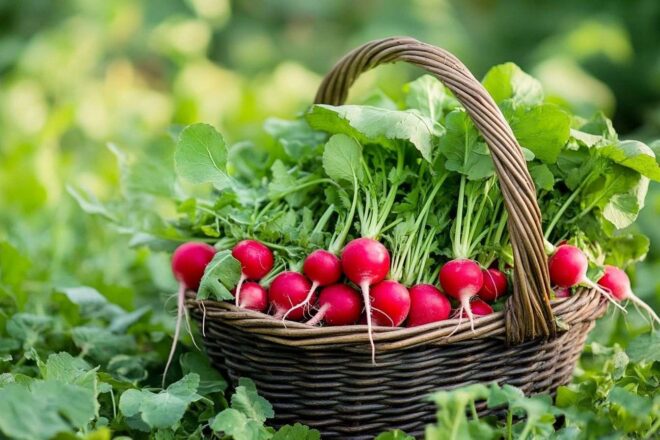
Successfully growing healthy radishes requires careful attention to common pitfalls. By recognizing and avoiding a dozen frequent mistakes, gardeners can significantly improve their chances of cultivating robust, flavorful radishes throughout the growing season.
TL;DR
- Radishes require precise timing and care to thrive.
- Soil, spacing, and regular watering are essential.
- Crop rotation and vigilance prevent pests and disease.
Unveiling the True Challenge of Growing Radishes
At first glance, cultivating radishes in a backyard plot might seem deceptively simple. Many gardeners picture these *Brassicaceae* family roots as a sure bet—after all, their reputation for rapid growth and a crisp, peppery bite precedes them. Yet, anyone who has tried their hand at this crop soon discovers that radishes are not as forgiving as they appear. Even minor missteps can transform the promise of crunchy harvests into rows of tough or disappointingly bitter specimens.
Soil Preparation and Water: The Foundations of Success
The journey to flawless radishes starts well before sowing. A loose, well-drained soil, ideally enriched with mature compost, is indispensable. Skimping here often results in forked or stunted roots—hardly the reward any gardener seeks. Furthermore, consistent moisture is crucial: irregular watering may yield fibrous textures or unwanted bitterness, while excessive irrigation risks root rot. Many experienced growers opt for a thin layer of straw mulch; this not only helps maintain just the right level of humidity but also shields young seedlings from sudden temperature swings.
The Calendar and Common Pitfalls
Timing is everything with radishes. Sowing too late in spring or during sweltering summer spells can trigger premature bolting—a process where plants rush to flower under long days or intense heat, leaving little energy for plump roots. Seasoned hands recommend early spring or late summer plantings when daytime temperatures remain below 21°C. Getting seeds into the ground at an optimal depth (between 0.5 and 1 cm) is another subtle yet vital detail: deeper placements impede sprouting, while shallow ones dry out swiftly.
Crowding is another frequent error among enthusiasts. Once seedlings reach two to three centimeters tall, thinning them carefully ensures each plant enjoys enough light and nutrients for full development. Overcrowded patches lead straight to spindly, underwhelming harvests.
Defense Strategies: Rotation and Vigilance
Persistent pests like flea beetles or cabbage flies thrive on routine. That’s why rotating the radish patch every year stands out as an effective safeguard against infestations—and even disease outbreaks. For those wanting extra peace of mind:
- Lightweight insect netting provides physical protection without chemicals.
- Companion planting with mint or dill offers a natural deterrent.
Finally—and this cannot be stressed enough—watch your radishes closely as they grow. Pulling them up too early yields flavorless nubs; waiting too long courts woody disappointment. Generally, three to four weeks after sowing is prime time: as soon as a root peeks above the soil line, it’s wise to check if your careful efforts have paid off with that perfect snap and tangy taste that define truly great radish harvests.