160 Years of Telecommunications: Digital Exclusion Casts a Shadow Over the Anniversary
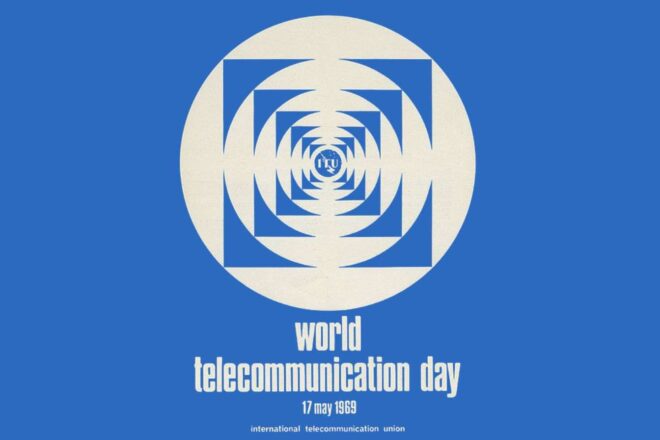
As the world marks 160 years of advancements in telecommunications, growing concerns over digital exclusion cast a shadow over the celebrations. Significant portions of the global population still lack reliable access to digital technologies and essential online services.
Tl;dr
- 160th anniversary highlights ongoing global digital exclusion.
- Women and girls remain most affected by lack of access.
- True inclusion requires more than just expanded connectivity.
A Landmark Anniversary with Unfinished Business
As the International Telecommunication Union (ITU) prepares to mark its 160th anniversary on May 17, 2025, there is a clear sense of both achievement and lingering frustration. Established in Paris in 1865, the organization has witnessed—and steered—astonishing transformations, from the early days of the telegraph to today’s frontiers of artificial intelligence and quantum computing. Yet, despite this impressive legacy, a troubling reality persists: a significant portion of the world remains excluded from the digital age.
The Stark Reality Behind Global Connectivity
Official statistics cut through the celebratory mood: approximately 2.6 billion people still lack Internet access. Delving deeper into these numbers exposes an even harsher truth—women and girls make up a disproportionate share of those left offline. This exclusion is not simply about technology or economics. Rather, it signifies denied opportunities and withheld power. Being cut off from digital tools means missing out on economic prospects, innovation spaces, and—crucially—the arenas where key decisions are now made.
Inequity at the Heart of Digital Progress
The upcoming World Telecommunication and Information Society Day (WTISD), coinciding with three decades since the Beijing Platform for Action on women’s rights, draws attention to a critical message: accelerating digital integration for women is an urgent priority. The story of the ITU itself stands as testimony to what multilateralism can achieve when facing global technological challenges. Still, as some nations pursue ambitions like sovereign artificial intelligence or race ahead with 6G networks, collective ideals appear increasingly fragile.
For those reflecting on why inequality persists, several factors come into play:
- Lack of infrastructure in underserved areas.
- Cultural and gender-based barriers limiting access.
- Inequitable policy frameworks across regions.
Towards Meaningful Inclusion: More Than Just Wires and Signals
All this begs a crucial question: « How can we prevent future technological leaps from leaving anyone behind ? » The goal should no longer be mere connectivity for all; instead, there’s a growing consensus that progress must be redefined to focus on true inclusion. In short, « a connected world is not necessarily a just world. » If anything, this may well be the challenge that defines 2025: ensuring that global connectivity finally extends real benefits to everyone it has long overlooked—especially women and other marginalized groups. The call now goes out not only to governments and industry leaders but also to civil society itself, urging them to revive and adapt the founding spirit of the ITU, so that its next chapter is one defined by genuine digital equality.