9/11 New York: New Evidence Reveals Toxic Health Risks
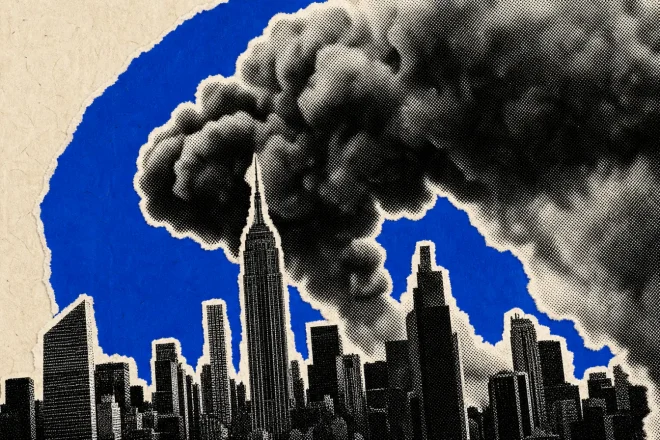
Recently unearthed archives in New York have brought renewed attention to the health hazards linked to the September 11 attacks, reigniting debates over toxic exposures and their long-term impact on first responders and local residents.
TL;DR
- Over 173,000 documents on post-9/11 air released.
- Questions raised about what New York authorities knew.
- Transparency sought regarding air quality after the attacks.
A Landmark Release: Unveiling Decades of Secrecy
In a move stirring both anticipation and scrutiny, more than 173,000 official documents are set to be made public in New York City. These records focus specifically on the quality of the air breathed by residents and first responders in the immediate aftermath of the September 11, 2001 attacks. For years, controversy has simmered over whether authorities downplayed environmental risks to avoid panic or protect economic interests.
What Did New York Really Know?
With this release, attention turns to what city officials and agencies truly understood about the hazards posed by the toxic dust cloud that blanketed lower Manhattan. Many survivors and families of victims have long suspected gaps between public reassurances and internal reports. The newly disclosed trove could provide answers or—just possibly—fuel new debates.
The Road to Transparency: Why Now?
Calls for greater transparency have grown louder as more health complications attributed to exposure continue to surface. Several factors explain this turning point:
- The persistent advocacy of survivors’ groups and medical researchers
- Legal actions seeking accountability from governmental bodies
- The upcoming anniversary amplifying demands for full disclosure
Public sentiment has shifted noticeably in recent years, favoring a candid confrontation with painful truths over preserving institutional reputations.
A Community Still Seeking Closure
The stakes remain high for those whose lives were forever altered. As thousands in New York, including firefighters, police officers, and downtown residents, still battle illnesses linked to toxic exposure, this document dump represents far more than an academic exercise—it’s about recognition and justice. Whether these newly available files will deliver the clarity many crave is yet to be seen. However, one thing is clear: the story of post-9/11 air quality—and who knew what, when—remains unfinished business for an entire city.