Australia’s Economy Falters as Major Trade Ally China Stumbles
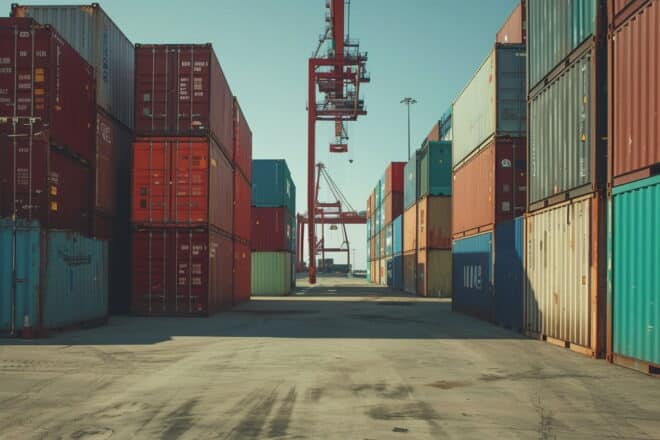
On Monday, Finance Minister Jim Chalmers voiced concerns about the potential impact on the national budget from falling iron ore prices, driven by issues in China's construction sector. As the world's leading producer, Australia could lose billions.
A Major Blow to the Australian Economy
The iron ore price collapse could cost Australia around 3 billion Australian dollars (2 billion US dollars) over the next three to four years, according to forecasts by Jim Chalmers, the country’s Finance Minister.
The Causes of This Downturn
The concerns stem from the “weakness of the Chinese economy,” marked by an unprecedented crisis in the real estate sector and gloomy confidence among households and businesses. This situation hampers trade, which is further threatened by geopolitical tensions between Beijing, Washington, and the European Union.
The downturn in China’s construction sector has led to a roughly 30% drop in iron ore prices, despite China being Australia’s “top trading partner,” as noted by Michele Bullock, the Central Bank Governor.
Consequences and Projections
Moreover, the slowdown in Chinese growth, which was “lower than expected” last quarter ending in June (+4.7% year-on-year), directly impacts Australian exports. Australia is the world’s leading iron ore extractor. The Australian GDP growth rate also sharply declined, from +0.3% in the fourth quarter of 2023 to 0.1% in the first quarter.
Mining companies in the region have already felt the effects of this economic slowdown. Shares of Rio Tinto and BHP have dropped about 20% since the beginning of the year, while Baowu, the world’s largest steel producer in China, has warned that the industry’s difficulties might be more severe and long-lasting than expected.
A Close Dependency Link
In conclusion, Australia, being highly dependent on China, is significantly feeling the effects of the slowdown in the Chinese economy. As Michele Bullock points out, “developments in China can have a significant impact on how our trade evolves and, consequently, on our growth.” This observation calls for caution and vigilance regarding the situation’s progress.