Seville: Illegal Tourist Rentals Face Water Shutoff
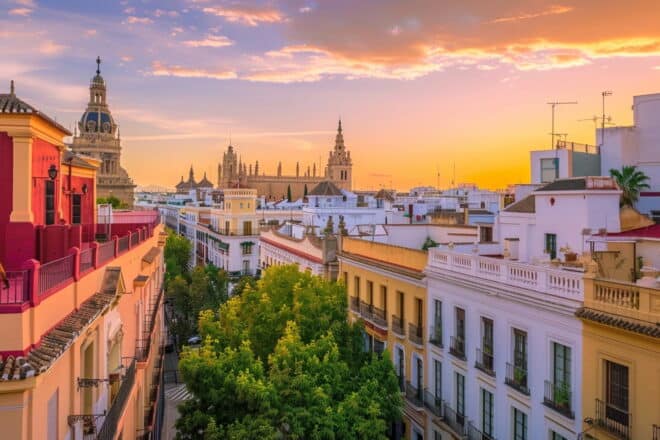
To curb the surge in Airbnb rentals, Spanish authorities are considering shutting off water to certain properties. How might this impact the local real estate market?
Tourism in Seville: A Blessing and a Curse
Seville, Spain’s third most visited city, acts as a powerful magnet for global tourists, drawn by its warm hospitality and stunning architecture. Yet, its popularity comes with significant drawbacks.
Impact of Tourism on the Housing Market
The influx of tourists has led to a surge in the use of Airbnb-type accommodations, creating noticeable tension in the real estate market.
The result? Skyrocketing property prices that make housing unaffordable for many locals.
A Firm Municipal Response
In response, Seville’s city council has introduced a drastic measure: “threatening to cut off water supply to occupants of illegal tourist accommodations”. According to France Info, this could affect around 5,000 short-term rental properties.
Mayor José Luis Sanz explained the necessity of this move to Radio Sevilla, highlighting the urgency to reduce tensions between tourists and residents.
Challenges in Implementation and Consequences
Implementing such a policy is challenging. Before shutting off the water supply, local police must inspect and confirm the illegality of these rentals. Seville’s rental restrictions are quite specific: only apartments on the ground or first floor may be rented out.
It remains to be seen how effectively the city will enforce this rule and what resources will be allocated for these inspections. It is likely that only a small fraction of these 5,000 properties will face actual penalties.