Smartwatches: An Underestimated Risk for Executives
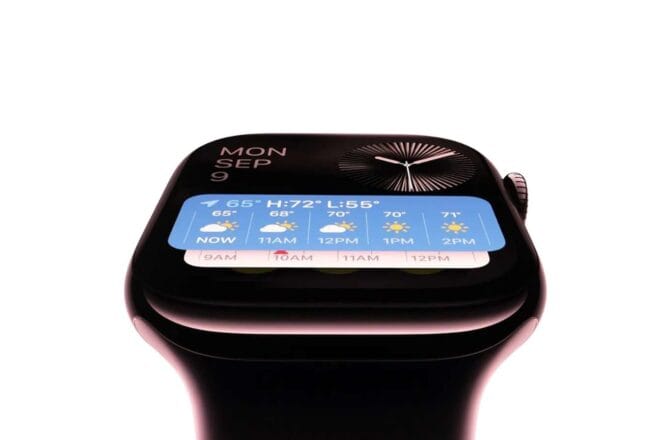
Smartwatches, which are rich sources of personal data, expose prominent individuals to alarming cyber threats such as hacking and espionage. This raises the question: should we return to using traditional watches for security reasons?
The Risks of Wearable Tech for Public Figures
Dear reader, it’s easy to admire the smartwatches that adorn the wrists of state leaders worldwide. However, a former CIA officer warns that these devices harbor significant vulnerabilities.
Cybersecurity Warning
The capabilities of the Apple Watch and other smartwatches extend far beyond merely telling time. They are reservoirs of data, leaving doors wide open for exploitation. Given that political leaders are high-priority targets, their security could be seriously jeopardized.
The threat lies in the ability of the Apple Watch to collect and store data about the wearer’s movements and biometric information. Foreign intelligence services might be tempted to hack these devices to gather sensitive information. For instance, “Le Monde” reported that fitness app Strava’s data was used to identify secret service agents.
Prohibition of Connected Devices in Certain Facilities
The risk is not limited to state actors. Private firms like the Israeli cybersecurity group NSO could also potentially exploit this data. Consequently, connected devices are banned in SCIFs (Sensitive Compartmented Information Facilities) where sensitive discussions take place.
Alternatives to the Smartwatch
The recommended solution is straightforward: switch to a classic watch that offers elegance and design without the security risks. Notable recommendations include the “Neptune Sangin Instruments,” the “Marathon 41mm Diver’s Automatic (GSAR),” and the “Breitling Aerospace White House.”