Pixel 9a vs. Competitors: A Comparative Review
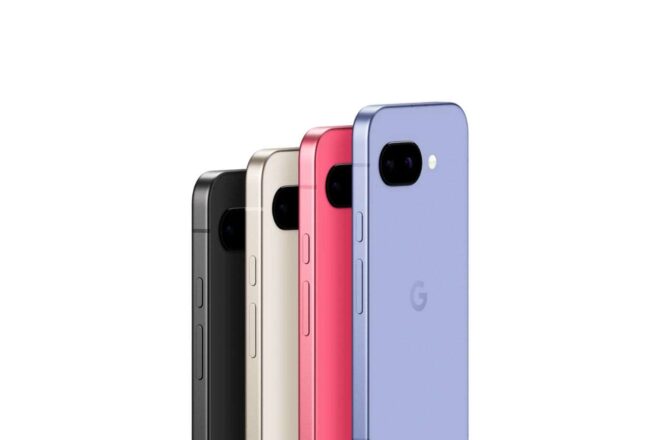
Explore how the Pixel 9a stacks up against its main competitors in the smartphone market.
Google Unveils the Pixel 9a: A Significant Evolution
Following a slew of rumors and leaks, Google has officially unveiled the Pixel 9a, a smartphone that stands out with several significant upgrades from its predecessor, the Pixel 8a.
Refreshed Design and Enhanced Protection
The Pixel 9a features a refreshed design that sets it apart from Google’s high-end models. The controversial camera bar from previous models is gone, replaced by an almost flush main camera module with the back of the phone. Moreover, the new device boasts enhanced water and dust resistance with an IP68 rating, compared to the IP67 of the 8a. The Pixel 9a will also be available in two charming new colors: Iris and Peony.
Improved Performance
Beyond design changes, the Pixel 9a features a larger 6.3-inch display. Its pOLED screen can reach a maximum brightness of 2,700 nits, up from 2,000 nits in the 8a. Internally, the 9a is powered by Google’s latest Tensor G4 SoC, paired with 8GB of RAM. Google has also equipped the 9a with a larger 5,100mAh battery, compared to 4,492mAh in the 8a.
Comparison with iPhone 16e, Nothing 3a Pro, and realme 14Pro+
Compared to the iPhone 16e, Nothing 3a Pro, and realme 14Pro+, the Pixel 9a offers a better value for money. It boasts a larger battery, a 120Hz display, and an additional camera. However, choosing between the 9a and the iPhone 16e will primarily depend on the consumer’s preference for Android or iOS. While the Nothing 3a Pro offers a less expensive and more original design, it cannot match Google’s unparalleled software support.
The realme 14 Pro+ emerges as a serious contender against Google, with a 6000mAh battery, 8GB or 12GB of RAM, a 1200-nit display, and a refresh rate of up to 120Hz. Its camera, equipped with a 50 MP Sony IMX882 sensor with a periscope lens, directly competes with Google’s, including its price.