AI Smart Glasses: Blending Technology Seamlessly into Glass
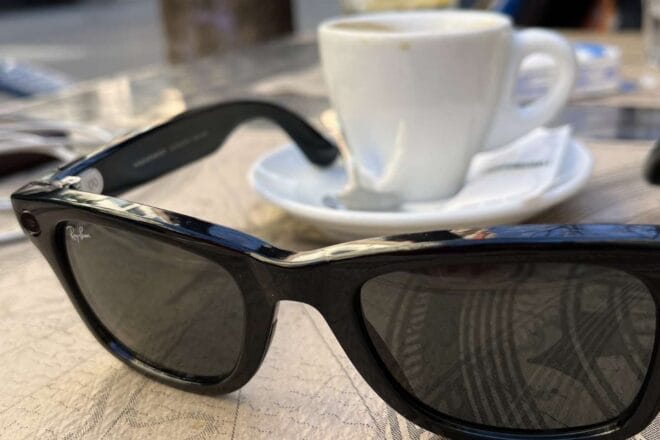
Smart glasses equipped with artificial intelligence are revolutionizing technology by blending miniaturization with high performance. But what challenges lie beneath these high-tech marvels? Let's explore this rapidly advancing innovation.
Complexity Behind Simple Appearance
Technological innovation continuously expands the boundaries of what’s possible. A notable example includes AI-powered smart glasses like the Meta Ray-Ban. Yet, despite their sleek appearance, these high-tech gadgets demand intricate engineering.
Under the Hood: Technical Challenges of Smart Glasses
According to a report by Wellsenn Information Technology, several issues persist in the design of these devices. There are three main challenges to overcome:
Energy Efficiency & Battery Limitations: Integrating AI requires significant processing power, heavily impacting energy consumption. Balancing performance with battery life is crucial.Advanced Audio Processing & Microphone Management: Clear audio input and output are vital for features like voice commands and calls. However, fitting multiple microphones and speakers into a compact frame is a major challenge.Compact Design & Heat Dissipation: Smart glasses must be lightweight and stylish while incorporating high-performance components. Managing heat is thus a critical issue.
China Smart Glasses Market: Excitement Anticipated in 2025
In China, the smart glasses market is burgeoning. The year 2025 is seen as a tipping point for this technology. Various chipset solutions are currently being developed, fostering a competitive landscape.
The real challenge lies not in pricing competition but in producing smart glasses that gain mass acceptance and securing a stable, scalable supply chain.
Future Questions
In the end, will Xiaomi, with its upcoming AI smart glasses, redefine the market, or will Meta maintain its lead? The coming months will be crucial. Market leaders will be those who successfully tackle these complex technological challenges.