Samsung Galaxy Ring: Major Upgrade to Outshine Oura Ring
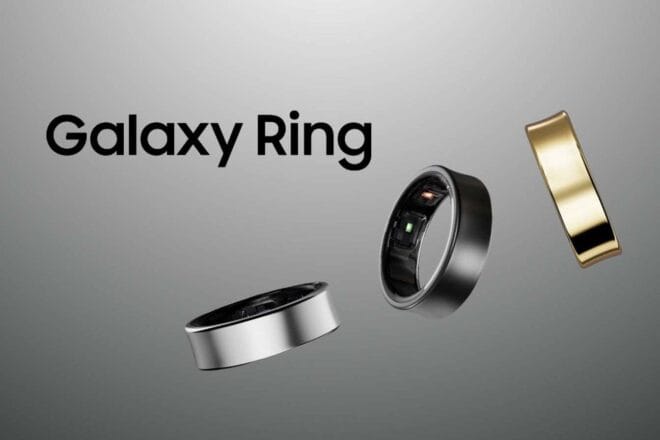
Samsung has just announced a major upgrade to the Galaxy Ring, introducing features that may outperform the Oura Ring and potentially revolutionize the smart wearable accessories market.
A Technological Revolution for the Samsung Galaxy Ring
The Samsung Galaxy Ring, a top contender in the smart ring market, continues to impress. According to a report from Money Today in South Korea, significant enhancements are expected in the next generation of the Galaxy Ring.
A Solid Battery for Extended Life
The key innovation lies in the battery. Samsung plans to incorporate solid-state batteries in the upcoming version. These batteries substitute the liquid electrolyte with a solid, increasing energy density and speeding up charging times compared to standard lithium-ion batteries. Additionally, they are safer as they do not contain flammable liquids.
This technological advancement could extend the ring’s battery life beyond the current model’s seven-day lifespan. Presently, the battery capacity ranges from 18 to 23.5 mAh depending on the ring size. In our testing, the Samsung Galaxy Ring’s battery lasted six days.
A Promising Technological Upgrade
It’s worth noting that Samsung is not new to solid-state technology. A subsidiary, Samsung Electro-Mechanics, has developed miniature solid-state batteries for smartwatches with an energy density of 200Wh/L. The South Korean giant is aiming to boost this to 360Wh/L for the Galaxy Ring 2.
In addition to enhanced battery life and quicker charging times, Samsung also plans to streamline the ring’s design while ensuring precise tracking without a subscription. This could increase competitive pressure.
An Ambitious Strategy
If Samsung achieves these improvements, the Galaxy Ring 2 could potentially topple the Oura Ring 4 from our list of top smart rings. Samsung has already filed over 40 patent applications for solid oxide-based batteries. While wearable accessories are the primary focus, other products like the upcoming Galaxy Buds Pro could also benefit from this technology.