Should You Use a Disposable Phone for Your Next Trip Abroad?
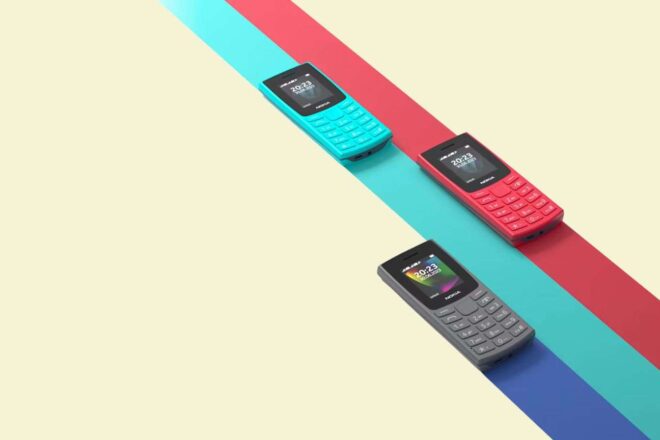
Before buying a disposable phone for your next trip abroad, consider its pros and cons and essential tips to determine if it's truly beneficial for international travel.
The Burner Phones: A Resurgence of Interest Amid Security Concerns
[The term “burner phone” originates from American slang, describing a disposable, prepaid phone used temporarily, often to maintain anonymity.]
In recent months, companies in Canada and the European Union have started advising or even providing their employees with burner phones when traveling to the United States. This trend stems from growing concerns over stringent American border checks and a desire to safeguard sensitive business information. The increasing need for digital discretion is expanding well beyond the realms of espionage and criminal activity.
A “Disposable” Phone: What Are the Uses?
The use of burner phones extends far beyond cross-border travel. Several factors contribute to this trend:
Anonymity: No identity linked to the device, reducing traceability.Simplicity: Fewer apps, less distraction – comedian Conan O’Brien praised its benefits for avoiding constant notifications.Enhanced Security: Ideal for minimizing risks associated with unwanted calls or spam.
Ultimately, burner phones serve those seeking to protect their privacy or those needing a secondary number for specific purposes, such as two-factor authentication or business travel.
Brief History and Technical Definition
Born in the 1990s as prepaid phones, these devices gained fame with the iconic series “The Wire.” Originally linked to illegal activities – “to avoid police detection,” burner phones now appeal to a broader audience. Typically, they are basic models sold without a contract, featuring limited call or data credits, and are intended to be discarded after use. The key difference from a standard prepaid phone is the total absence of a contract and the lack of requirement to provide personal information at purchase.
Purchasing and Modern Alternatives
Simplicity remains key: it’s possible to buy a disposable phone from Amazon, Fnac, or certain stores, with prices ranging from 10 to 50 euros depending on the features selected. Paying in cash is recommended for maintaining anonymity. Some opt for a prepaid SIM card in an old smartphone, a sufficient alternative if digital dissociation is the main goal.
For those who do not prioritize absolute anonymity, various apps now offer secondary numbers (like Google Fi, Burner app which is not available in France, unfortunately), though these inevitably involve minimal personal data collection. As digital usage and privacy concerns evolve rapidly, the renewed popularity of “burner phones” prompts reflection on our new relationship with our data: between rediscovered convenience and increased vigilance, the line remains fine. At MWC, many mobile manufacturers offer lighter “feature-phones”; consider HMD, which has relaunched a line of classic Nokia phones.