Next-Gen Visa Card Unveils AI Integration and Deferred Payment Options
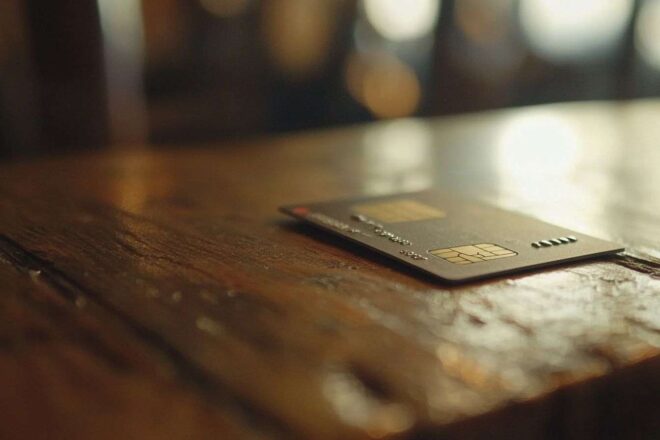
Visa is launching a next-generation card that integrates artificial intelligence features and offers deferred payment options, reflecting the company's commitment to innovation in digital payments and enhanced flexibility for consumers in managing their expenses.
Tl;dr
A Subtle Shift in Everyday Payments
Not all revolutions begin with a bang; sometimes, they arrive as a simple gesture at the checkout. Picture this: you reach for your card, only to discover your main account is overdrawn. Still, there’s hope—those unused loyalty points or an alternative card balance could cover the bill. Thanks to the debut of the « Visa flexible credential », soon available across European markets, this seamless solution is no longer theoretical.
One Card, Multiple Sources
At the heart of this innovation lies the ability to switch instantly between various payment methods—be it debit, credit, or installment plans—all from a single card. This isn’t limited to juggling accounts; foreign currency balances can also be tapped in real time thanks to instant conversion during transactions. Holders of any of the 4.8 billion Visa cards currently in circulation will be able to tap into their different sources—accounts, loyalty programs—with a few clicks. Those hard-earned points? They’re transformed from mere rewards into spendable funds.
Moreover, here are some practical implications for users:
AI-Powered Shopping Experiences
Yet, that’s only part of the picture. The American giant has its sights set firmly on integrating advances in artificial intelligence (AI). Imagine instructing your shopping assistant online: « I want you to find me this product within this price limit ». In response, AI would not only locate the item but could proceed with the purchase if you approve. It promises significant convenience—even as it raises fresh questions about how we interact with buying decisions and personal data.
The European Response: Toward Monetary Independence?
Stepping back, these technological strides emerge against a backdrop of mounting European resolve. With more than 70% of card transactions within the EU still funneled through US-based networks like Visa and Mastercard, Brussels is ramping up efforts on its own answer—the digital euro. Driven by central banks and designed for universal access (individuals and businesses alike), this new digital currency aims squarely at reducing what’s seen as excessive reliance on foreign payment systems.
In summary, a contest is unfolding over Europe’s financial future: American-led innovations press for ever-greater consumer flexibility, while European policymakers strive for self-sufficiency. Consumers may stand to gain unprecedented freedom—but equally face new dilemmas amid an expanding array of choices at every checkout.