Android XR: How AI is Making Its Way Into Your Smart Glasses
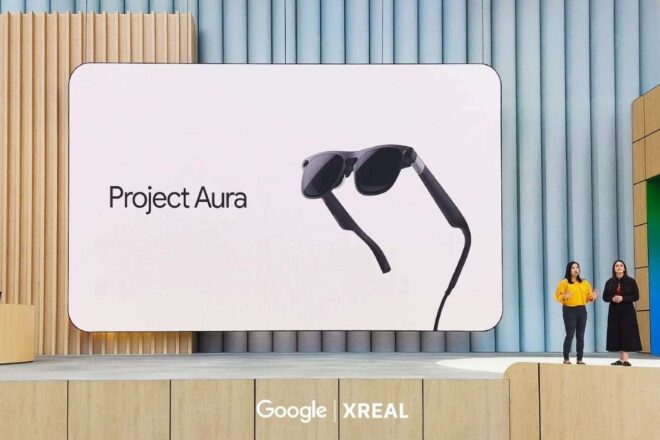
Google is integrating artificial intelligence into Android XR, its extended reality platform for smart glasses. This move promises users enhanced real-time experiences, merging digital information and AI-driven features directly into their field of vision through wearable technology.
Tl;dr
- Android XR glasses integrate Gemini AI for seamless assistance.
- Major eyewear partnerships focus on design and comfort.
- Live translation and real-time info enhance daily interactions.
A Bold Leap: Android XR Reinvents Smart Glasses
Unveiled with much fanfare at the latest Google I/O, the new generation of smart glasses powered by Android XR signals a pivotal moment for wearable technology. Although not a newcomer to this arena, Google’s fresh approach hinges on embedding the advanced assistant Gemini directly into the user’s line of sight. The ambition? To deliver an experience where artificial intelligence becomes naturally woven into everyday perception.
Design, Partnerships, and the Push for Everyday Adoption
What sets this initiative apart isn’t just technology—it’s also the strategic alliances shaping its form. By joining forces with renowned names like Gentle Monster, Warby Parker, and soon Kering Eyewear, Google is betting that aesthetics and comfort will be as critical as functionality. The goal is clear: create glasses you’d willingly wear from morning till night, blurring lines between fashion accessory and digital tool.
Meanwhile, efforts extend beyond eyewear. An ambitious project—known internally as « Project Moohan »—brings together Samsung, Qualcomm, and Google itself, all striving to redefine immersive experiences through next-generation XR headsets. Soon, developers will be invited to craft applications tailored specifically for this expanding ecosystem.
The Everyday Impact of Gemini Integration
Integrating Gemini AI into Android XR devices brings a shift in how we interact with information. Here are some concrete benefits users may encounter:
– Hands-free messaging via subtle voice commands.
– On-the-fly translation during conversations—impressively demonstrated live with two speakers conversing in different languages.
Rather than dividing attention or requiring constant phone checks, these tools aim to augment reality seamlessly and discreetly.
Toward Ubiquitous Wearable AI?
Of course, many questions remain—particularly regarding the cultural or social ripples such advancements might provoke. Nevertheless, one thing stands out: with the duo of Android XR and Gemini, Google is decisively expanding artificial intelligence’s reach into day-to-day existence. If successful in balancing practical utility with genuine desirability, these smart glasses may well transform not only how we see our surroundings but also how we engage with them. Only time will tell if this vision becomes indispensable or remains a fascinating novelty.