Which Nations Have Embraced the Euro—and Who’s Still Waiting to Join?
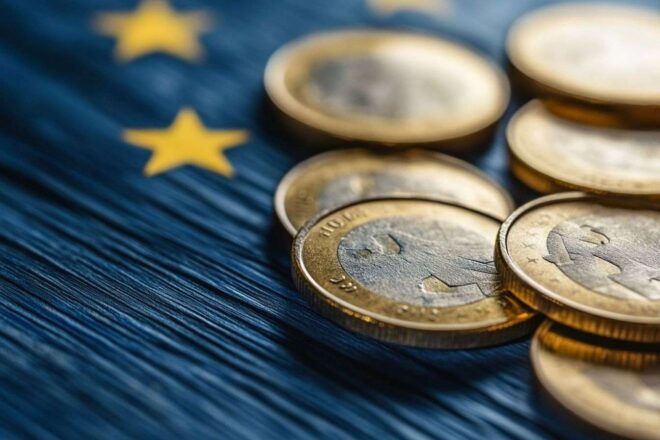
Since its introduction in 1999, the euro has become the official currency of most European Union member states. However, while many countries have embraced it, others continue to use their national currencies as they await or consider adoption.
Tl;dr
- Euro adoption remains uneven across the European Union.
- Strict criteria block several states from joining the eurozone.
- Historic and political exceptions shape Europe’s monetary landscape.
Diverse Paths to a Shared Currency
The journey toward a unified currency in the European Union has rarely followed a straight line. While twenty member states — soon to be twenty-one with the anticipated accession of Bulgaria in 2026 — have chosen to adopt the euro, six countries remain outside its boundaries, each for their own distinct reasons. This reality serves as a constant reminder that, despite ambitious rhetoric, European integration is anything but uniform.
The Foundations: From Maastricht to Modern Day
To truly grasp the present state of affairs, it’s worth returning to December 1991, when leaders at the Maastricht summit set down the legal framework for what would become the most ambitious monetary project in Europe’s modern era: the new Treaty on European Union. The euro first appeared in electronic transactions on January 1st, 1999, yet it took three more years before physical notes and coins replaced national currencies in an initial group of twelve trailblazers. Among these were heavyweights like Germany, France, and Italy, joined by others such as Ireland, Finland, and Greece. Subsequent expansions brought eight more countries into this fold, culminating in the recent entry of Croatia at the start of 2023.
The Criteria: Barriers and Exceptions to Joining the Eurozone
Despite several rounds of enlargement, not every EU nation has managed — or wished — to join the common currency. For five members — namely, the Czech Republic, Poland, Hungary, Romania, and Sweden — meeting the stringent economic conditions remains out of reach. These requirements include:
- Sustained price stability;
- Sound public finances;
- Interest rates aligned with existing eurozone levels;
- A stable national exchange rate.
Meanwhile, Denmark stands apart. Following a decisive referendum rejecting Maastricht in 1992, Danes secured a formal opt-out; popular resistance has kept any euro adoption firmly off the table ever since.
Sovereignty, Exceptions, and National Choices
Finally, it’s important not to overlook those who simply declined this monetary union from the outset. Notably, the United Kingdom — even prior to Brexit — had chosen its own path. As history shows time and again, « a union of nations often means a patchwork of ambitions and identities ».
In sum, Europe’s journey toward monetary unity remains as complex and varied as its member states themselves. Each country continues to navigate its own balance between economic logic and sovereign choice.