April’s Widespread Blackout in Spain: The True Causes Have Come to Light
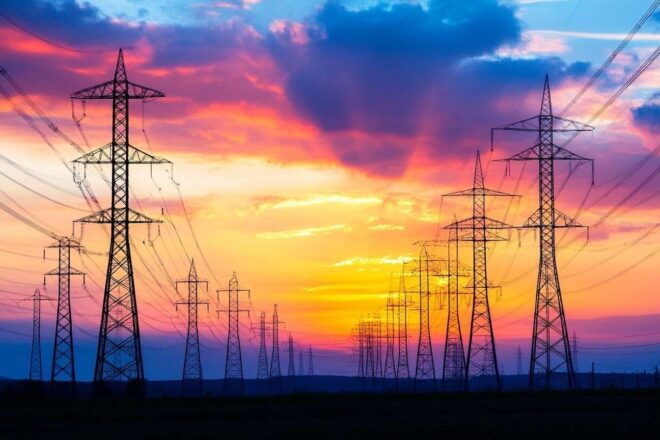
Spanish authorities have finally disclosed the main factors behind April's widespread blackout, shedding light on the critical issues that led to massive power outages across the country and offering a clearer understanding of this unprecedented national incident.
Tl;dr
- Official report blames cascading technical and human errors.
- Cyberattack and solar overload theories rejected.
- Urgent reforms planned for Iberian energy resilience.
A Night of Blackout and Questions
On the evening of April 28th, millions across Spain and Portugal suddenly found themselves in darkness. Within mere seconds, a « méga-panne » swept both countries, disrupting daily life from public transport to schools. For weeks, speculation swirled: was this the work of a cyberattack? Or perhaps a surge in solar energy gone awry?
The Findings: Human and Technical Errors Unveiled
Now, following weeks of anticipation, the Spanish government has released its much-awaited investigation. Presented on June 17th by Sara Aagesen, the Minister for Ecological Transition, the official report clarifies what went wrong. According to the findings, multiple « surtensions »—or overvoltage incidents—triggered a devastating chain reaction. Surprisingly, it wasn’t just technical faults at play.
Investigators also highlight a series of questionable decisions made in real time by unnamed energy firms. In efforts to protect their own equipment during the initial electrical surges, several operators disconnected their power stations « de façon inappropriée ». Experts concluded these hasty moves actually worsened the crisis, causing further network breakdowns.
Adding to this already fraught scenario was the performance of grid operator REE. On that night, its voltage control capacity proved to be « the weakest since early 2025 ». In under thirty seconds, three separate incidents struck substations in Granada, Badajoz, and Seville. The compounded result? A system-wide failure that few could have anticipated.
No Cyberattack: Myths Put to Rest
In the aftermath, rumors spread quickly. Was this a sophisticated hack? Could renewable energies be at fault? The report is unequivocal: both theories are unfounded. As Sarah Brown from think tank Ember stressed: « The report puts an end to weeks of unnecessary and inaccurate speculation that wind and solar were entirely responsible. » Authorities confirmed there was no evidence of a cyber intrusion; instead, a blend of technical malfunctions and human misjudgment led to disaster.
A Call for Urgent Reform
With vulnerabilities now laid bare, what happens next? The Spanish government—already facing criticism on other fronts—pledges swift action. As Minister Aagesen stated: « We have robust knowledge of the facts… but we must also act to improve the system. » Further investigations remain ongoing under bodies like the European Network of Transmission System Operators for Electricity (Entso-E) and Spain’s CNMC.
Key takeaways from this inquiry include:
- Sustained overvoltage events initiated chaos.
- Poor industrial reflexes escalated disruptions.
- Structural failures impaired network control.
The challenge now lies in transforming these lessons into lasting enhancements—ensuring such a blackout never darkens Iberia again.