Global Concerns Mount Over Potential Iranian Blockade of the Strait of Hormuz
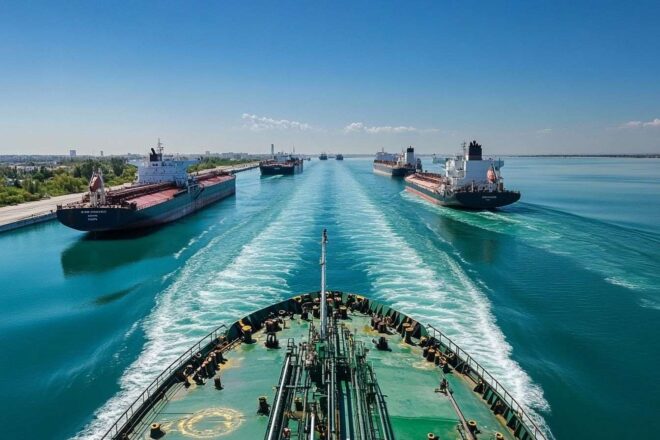
Growing global concern centers on the prospect of Iran imposing a blockade on the Strait of Hormuz, a vital maritime passage for international oil shipments. Such a move could threaten energy security and destabilize markets worldwide, prompting heightened diplomatic vigilance.
Tl;dr
Global Stakes at the Strait of Hormuz
Amid fresh tensions following Israel’s strike on Iran, the entire Gulf region has entered a period of deep uncertainty. The shadow cast by the Islamic Republic’s threats over the vital Strait of Hormuz is felt well beyond its immediate neighbors. This narrow passageway—wedged between Iran, Oman, and the United Arab Emirates—serves as a lifeline for global energy markets: nearly 40% of all crude oil shipped worldwide passes through these waters, along with vast quantities of liquefied natural gas.
No Single Owner, Maximum Dependency
What makes the situation especially volatile is that no state claims exclusive sovereignty over this maritime corridor, even though its strategic significance is undeniable. According to Paul Tourret, director of the Institut Supérieur d’Économie Maritime (ISEMAR), « India, Japan, Korea, and Taiwan depend on Ormuz for over 57% of their oil imports; China nearly 37%. » Each day, more than 20 million barrels of oil and some 80 million tonnes of LNG navigate this stretch—much of it bound for Asia’s economic powerhouses.
The importance can be distilled into several key points:
The Iranian Gambit: Threats Versus Reality
For decades now, Tehran’s rhetoric has included warnings about shutting down Ormuz—sometimes as mere saber-rattling, sometimes in earnest response to rising tensions. During both the nuclear standoffs and earlier crises in the 1980s, leaders have regularly invoked this option. Yet acting on such a threat would likely prove disastrous for Iran. Reports in The Economist point out that oil exports account for up to 12% of Iran’s GDP, and virtually all this oil leaves via Ormuz—primarily destined for China. As Francis Perrin, analyst at IRIS, noted on RFI: « This is Iran’s geopolitical nuclear weapon… one reserved only for extreme circumstances. » Blocking or mining the strait could cripple Tehran’s own finances and alienate crucial partners.
Anxieties on Global Markets, Military Risks Loom Large
What if energy shipments ground to a halt? Market repercussions would be swift and severe. According to Jorge Leon, an expert at Rystad Energy, prices could skyrocket—potentially jumping by more than twenty dollars per barrel—with clear consequences at fuel pumps worldwide. The United States, maintaining a formidable military presence in Bahrain and throughout the Gulf, would almost certainly not stand idly by should a full-blown crisis erupt.
In sum, the fragile balance at the heart of the Strait of Hormuz ties together regional rivalries, planetary energy security, and precarious military deterrence—a nexus upon which much of today’s world still depends.