Israel Approves Iran Ceasefire Brokered by Donald Trump
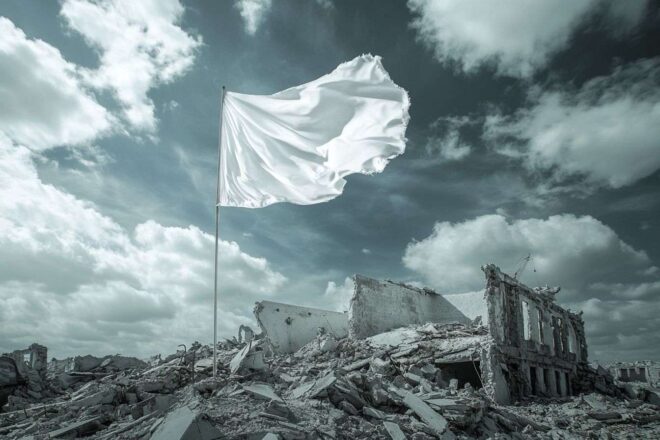
Israel has agreed to a ceasefire with Iran following diplomatic efforts led by former US President Donald Trump. This development marks a significant step in reducing tensions between the two nations, potentially altering the regional security landscape.
Tl;dr
Confusion and Escalation as Ceasefire Talks Falter
As night fell over the Iranian capital, a series of especially powerful explosions reverberated across Tehran. Eyewitness accounts from journalists at the scene for the AFP described them as the most intense detonations since this latest conflict began. While uncertainty hung in the air, new waves of Iranian missile launches targeted the largest American military base in Qatar, adding yet another layer to an already volatile situation.
Diverging Messages and an Elusive Agreement
Just hours before, a dramatic announcement had come from U.S. President Donald Trump. Posting on Truth Social, he declared: « Il a été pleinement convenu par et entre Israël et l’Iran qu’il y aurait un cessez-le-feu complet et total ». The supposed deal outlined a two-stage process: first, a 12-hour halt to Iranian operations, then a reciprocal ceasefire from the Israeli side. Yet, by morning, these assertions were challenged. Iran’s foreign minister, Abbas Araghchi, stated flatly: « Il n’existe pas d’accord », though he signaled that Iran would hold fire if Israel did the same. Despite these tentative diplomatic signals, artillery exchanges continued throughout the night—leaving any real sense of progress highly questionable.
Civilian Impact and Tehran’s Firm Stance
Tragically, civilians bore the immediate brunt of these hostilities. On Tuesday morning, Israeli emergency services reported four fatalities caused by an Iranian strike. Meanwhile, Iran’s state broadcaster Irib detailed multiple salvos launched towards Israel—even as that elusive ceasefire was scheduled to take effect at 4 a.m. GMT. From Tehran’s perspective, any hope for peace hinged on strict prerequisites. Foreign minister Araghchi insisted that « le régime israélien arrête son agression illégale contre le peuple iranien au plus tard à 4h du matin, heure de Téhéran ». However, as deadlines slipped by and violence persisted, optimism faded.
A Volatile Regional Outlook
In sum, while an American-brokered pause appeared within reach at moments, implementation has so far stumbled over deep-rooted mistrust and hardening positions. The situation remains on edge—missile launches by Iran, retaliatory threats from Israel, and international interventions all feeding into an unpredictable cycle. Several factors continue to shape events on the ground:
As global observers call for restraint, it is unclear whether this agreement will materialize or simply join a long list of missed opportunities for de-escalation in the Middle East. For now, all eyes remain fixed on what unfolds in the critical hours ahead.