British Finance Minister Overcome with Emotion During Speech in Parliament
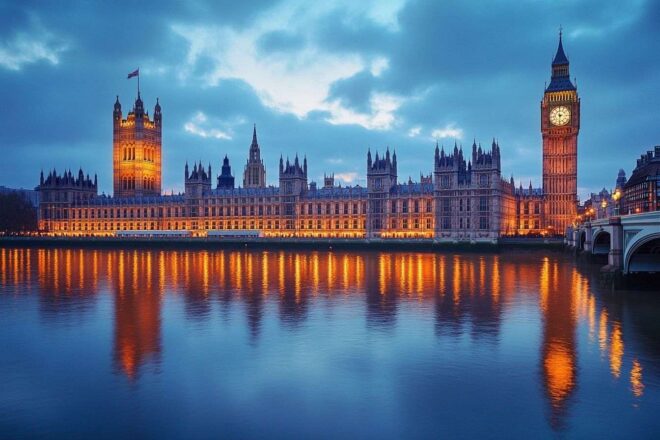
During a recent address in the British Parliament, the Finance Minister was visibly overcome by emotion. The heartfelt moment drew attention from lawmakers and the public alike, highlighting the pressures and personal stakes involved in government decision-making.
Tl;dr
- Rachel Reeves faces speculation after emotional moment in Commons.
- Starmer’s support wavers amid controversial welfare reform backlash.
- Labour MPs uneasy after recent policy reversals and concessions.
Heightened Tensions for Starmer Amid Policy U-Turns
For observers at Westminster, this week has been anything but routine. Beneath the arches of the British Parliament, discontent has simmered among Labour MPs, casting a shadow over Keir Starmer’s leadership. On Tuesday, with his flagship welfare reform under fire—particularly changes affecting disabled and sick claimants—the Prime Minister was compelled to make a series of significant concessions to avoid an embarrassing defeat in the House of Commons.
These last-minute retreats are far from isolated incidents. In recent weeks, two other abrupt reversals have unsettled party ranks: first, abandoning plans to scrap the universal winter fuel allowance for pensioners, and second, announcing a national inquiry into child abuse gangs—moves perceived by many as reactionary rather than proactive. The mood among Labour backbenchers has grown increasingly tense, their confidence in the government’s direction wavering.
An Emotional Episode Puts Rachel Reeves Under Scrutiny
The focus shifted sharply on Wednesday when the Chancellor of the Exchequer, Rachel Reeves, was visibly overcome with emotion during parliamentary proceedings. Her tears—witnessed by colleagues and opposition alike—sparked immediate speculation regarding her resilience in one of Westminster’s most demanding roles.
In fact, whispers of her potential resignation began circulating before official statements could be issued. The moment quickly became ammunition for critics across the aisle.
Reactions from Starmer and Political Rivals
Initially, Prime Minister Keir Starmer’s response seemed less than unequivocal—a hesitation that did not go unnoticed by his opponents. Seizing on this ambiguity, Conservative leader Kemi Badenoch described Reeves as a « bouclier humain », implying she served merely to absorb blame for « l’incompétence du Premier ministre ». Despite mounting pressure, Downing Street maintained its position: « Cela a été dit maintes fois ; inutile de le répéter à chaque attaque politique. » Later that day, Starmer appeared on BBC airwaves to offer firmer backing: Reeves would remain Chancellor « pour très longtemps encore », he assured listeners, praising « le travail excellent qu’elle accomplit ».
The Personal Behind the Political Crisis
Sources close to Rachel Reeves, however, insisted that her tears were unrelated to any policy disagreements or internal conflict. According to those familiar with her situation, it was « une affaire personnelle totalement étrangère aux débats actuels ». Starmer himself dismissed any suggestion that her emotional display reflected ministerial instability: « Totalement erroné d’établir un lien avec son engagement ministériel. »
Nonetheless, given recent events and lingering unease within party ranks, few at Westminster would dispute that both Starmer’s authority and his Chancellor’s future are under closer scrutiny than ever before.