LiDAR-Guided Laser Device Zaps Mosquitoes from Up to Six Meters Away
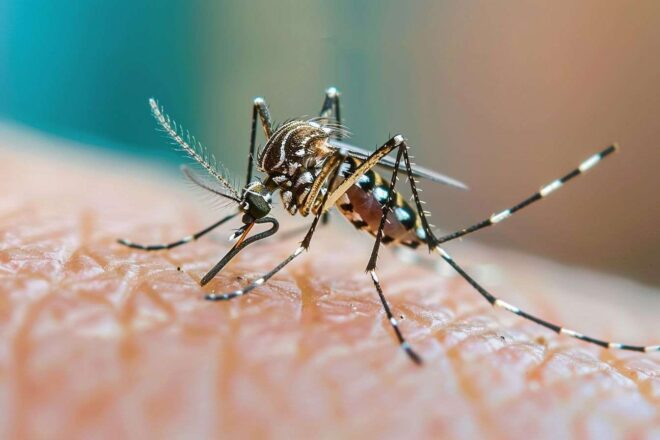
A new anti-mosquito device uses LiDAR technology to track and eliminate mosquitoes with precision-guided lasers. Effective over a six-meter range, this innovative gadget promises targeted insect control using advanced detection and laser targeting capabilities.
Tl;dr
A New Weapon in the Fight Against Mosquitoes
While many might dream of balmy summer evenings without incessant buzzing, an invention from Changzhou, China, claims to make that a reality. The newly unveiled Photonmatrix positions itself as the « first portable aerial defense system against mosquitoes in the world ». Drawing global attention, a viral video circulating on social media shows mosquitoes vanishing in curls of smoke—a sight that has already amused millions.
The Technology Behind the Promise
But what sets this device apart? At its core lies a sophisticated blend of LiDAR and dual laser technology. Borrowing cues from the guidance systems used in autonomous vehicles, the Photonmatrix scans its environment for movement. Once a mosquito is detected, a second laser—steered by a galvanometric mirror—strikes with immediate precision. As inventor Jim Wong describes it: « a miniature anti-aircraft battery for biting insects ». Available in both Basic (three-meter range) and Pro (six-meter range) models, prices start at $498 and rise to $698, though early-bird promotions remain—for now.
Crowdfunding Success and Public Excitement
What’s especially striking is the scale of support behind this project. The team launched an IndieGogo campaign aiming for just $20,000; instead, they have amassed nearly $400,000. The allure is easy to understand as summer approaches.
Supporters are drawn by several touted advantages:
Cautious Optimism Amid Hype
Yet, as with any disruptive innovation, skepticism lingers. Transitioning from viral prototype to industrial production often exposes technical hurdles—questions abound over real-world reliability and unintended effects on non-target species. Moreover, it remains unclear whether this so-called « mosquito dome » can consistently deliver outside controlled conditions. As with much in crowdfunding, some prudence is warranted—even if the promise remains undeniably enticing.