Corning Avoids EU Fine by Dropping Exclusive Deals with Smartphone Makers
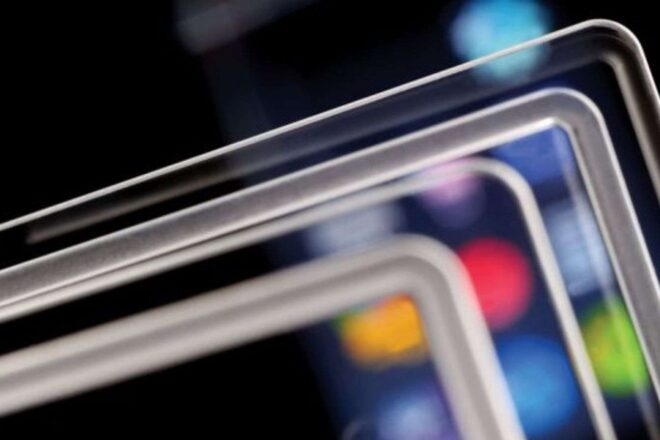
Corning has avoided a European fine by choosing to end its exclusive agreements with smartphone manufacturers. This decision follows regulatory scrutiny, as EU authorities increasingly target restrictive business practices in the tech supply chain.
Tl;dr
- Corning avoids fine in EU anti-competition case.
- Company ends exclusivity clauses for Gorilla Glass.
- Ongoing oversight set for nine years by independent monitor.
A Turning Point in Smartphone Glass: From Cupertino to Brussels
Few stories bridge innovation and regulation quite like the saga of Corning’s Gorilla Glass. The origins of this game-changing technology date back to a moment in 2006: inside a conference room at Cupertino, Steve Jobs famously threw an early iPhone prototype to the floor. That dramatic act didn’t just highlight design flaws — it triggered a scramble that led to the resurrection of a forgotten glass technology from the archives of Corning. What followed was nothing short of transformative, paving the way for today’s ultra-resistant smartphone screens and helping carve out a booming market worth around six billion dollars.
A European Investigation Shakes Up the Industry
In recent years, however, the spotlight on Gorilla Glass shifted from tech innovation to competition law. After months of speculation, the European Commission concluded that some business practices imposed by Corning raised serious concerns. Brussels officials suspected that strict exclusivity agreements were preventing fair competition among smartphone manufacturers. These deals, while offering attractive discounts, required partners to source nearly all their Alkali-AS glass from the American company, potentially squeezing out rivals and narrowing consumer choice.
New Commitments and Regulatory Oversight
Faced with mounting pressure, Corning opted for a negotiated settlement rather than risking heavy sanctions. The group has now pledged to eliminate all exclusive supply clauses from current contracts with phone manufacturers and glass processors operating within Europe. Outside Europe, the company agreed not to require clients to buy more than 50% of their total needs. These commitments will remain binding for nine years, under the watchful eye of an independent monitor appointed specifically for this purpose.
For industry stakeholders, these changes translate into several concrete outcomes:
- No exclusive provisions allowed in existing European contracts.
- A maximum purchase share of 50% enforced globally outside Europe.
- Nine years of ongoing supervision by an external third party.
No Financial Penalties—But Ongoing Scrutiny Remains
Interestingly, this resolution carries no financial punishment for Corning. As highlighted by Reuters, potential fines could have reached up to 10% of annual revenue—a risk avoided thanks to compromise. In statements given to Bloomberg, company representatives stressed: « The European Commission’s inquiry has closed without fine, finding of fault or material impact on our Gorilla Glass business or Corning as a whole. » Still, this outcome does little to silence broader questions about how such agreements influence competition and innovation in one of tech’s most lucrative markets. While no money changes hands today, regulatory vigilance looks set to stay.