Amazon Buys Bee, the AI Startup Turning Speech into Text via Innovative Wristband
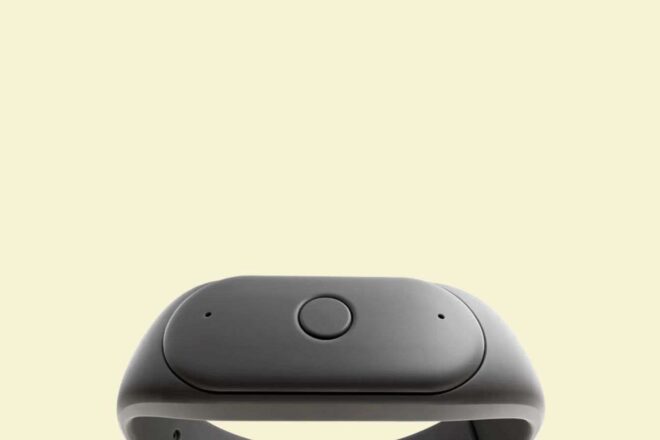
Amazon has acquired Bee, a startup specializing in artificial intelligence that converts spoken words into written text using a wearable bracelet. This strategic move highlights Amazon’s continued investment in innovative voice-to-text technologies and wearable devices.
Tl;dr
- Amazon plans to acquire wearable AI startup Bee.
- Bee’s bracelet uses AI for personalized conversation summaries.
- Privacy concerns and technical challenges remain debated.
Amazon Eyes Wearable AI with Bee Acquisition
As competition intensifies in the field of artificial intelligence, Amazon is moving to reinforce its position by targeting the acquisition of rising startup Bee. The announcement, made via an enthusiastic LinkedIn post from Bee’s CEO, Maria de Lourdes Zollo, emphasized her optimism: « Je ne pouvais pas rêver de meilleurs partenaires pour déployer une IA réellement personnelle auprès de plus de clients ». Nevertheless, while the intent appears mutual, an official spokesperson at Amazon added a note of caution, stating that « L’accord n’est pas encore finalisé et les deux sociétés demeurent indépendantes ».
Bee’s Bold Bet on Conversational Intelligence
Distinct from many other devices in the wearables market, the upcoming Bio Pioneer edition from Bee, slated for release as early as September if schedules hold, aims to introduce a new paradigm. Priced under $50 and drawing design inspiration from familiar brands like Fitbit, this bracelet does more than just track steps or heart rate. It continuously captures ambient conversations during daily life. Employing a layer of conversational AI, it synthesizes this information to generate highly tailored summaries within a dedicated app. The device also promises integration with calendars, emails, and location data—features that could enrich both analysis and suggestions for users.
Amid ongoing discussions with Amazon, sources suggest additional capabilities are under consideration to grant users « davantage de contrôle » over how their personal data is handled and how the device operates.
Skepticism Lingers Amid Hype and Competition
Despite the buzz surrounding this technological leap, not everyone is convinced. When Victoria Song at The Verge tested the bracelet, she described it as « L’ébauche d’une bonne idée », while highlighting key limitations: distinguishing real conversations from media noise remains challenging; the necessity—and comfort—of continuous audio monitoring is still up for debate. Privacy concerns have emerged as well. Although management insists no audio recordings are stored, some experts urge vigilance.
Other devices—like the Humane AI Pin now under HP’s umbrella or the Rabbit R1—offer stiff competition. Still, Song acknowledges that Bee carves out a partial niche in this fast-evolving market.
The Road Ahead: Uncertainty Meets Anticipation
For now, uncertainty lingers around what form the partnership between Amazon and Bee will ultimately take. The startup has yet to publish a definitive roadmap regarding its integration with Amazon’s broader ecosystem. What remains clear is that amid soaring expectations for wearable technology powered by cutting-edge AI, this potential alliance is attracting considerable attention—and raising equally significant questions about privacy and utility.