Surge in QR Code Scams Leaves Millions at Risk—Expert Tips to Stay Safe
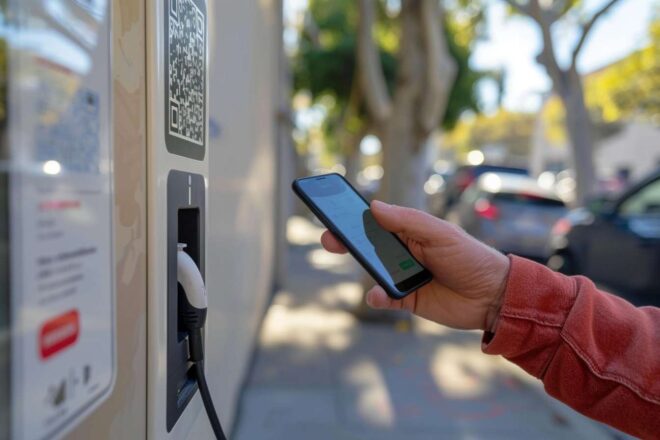
Fraudulent QR code attacks are rapidly increasing, affecting millions of people worldwide. As cybercriminals exploit this popular technology to steal personal data and money, experts share essential tips to help you recognize suspicious codes and stay safe.
Tl;dr
- QR code scams affect over 26 million people worldwide.
- Cybercriminals exploit QR codes in public spaces.
- Vigilance and security measures are essential for users.
An Unseen Threat in Everyday Life
Across the globe, the omnipresence of QR codes has transformed our daily routines, from parking meters to promotional posters. But beneath this apparent convenience lurks a fast-growing risk—one that has ensnared more than 26 million individuals, according to cybersecurity analysts at NordVPN. The rise of so-called « quishing »—phishing attacks delivered via QR codes—has accelerated alongside their integration into public environments. Many users remain unaware of the real dangers posed by these seemingly innocuous squares.
A New Playground for Cybercriminals
Over recent months, public agencies and major utilities have sounded the alarm. The New York City Department of Transportation, for instance, recently warned residents about fraudulent QR stickers placed on parking machines. Meanwhile, energy provider Hawaii Electric reported a spike in scam attempts targeting its customers through altered QR codes. Notably, the FTC, America’s principal consumer protection body, cautioned: « Scanning an unexpected QR code on a package could open you up to identity theft or financial fraud. » For cybercriminals, the technique’s appeal lies in its subtlety—fake codes can be seamlessly overlaid onto legitimate signage with minimal risk of detection.
The Vulnerabilities Behind the Codes
What makes these matrix patterns so attractive to hackers? In part, it’s their original design: built for ease and speed rather than robust security. According to experts, even the technology’s inventor never envisioned QR codes becoming such a tool for digital malfeasance. Their popularity and invisibility make them ideal vectors for attack. Here’s why they pose such a threat:
- Piracy is almost invisible to regular users;
- Victims are redirected to sites that expertly mimic official domains;
- A single scan can result in silent installation of malware or remote access trojans (RATs).
Navigating the Hazards: Practical Advice
Given these evolving tactics, users must adapt their habits. Rather than scanning every code encountered on the street, experts advise searching directly for company websites when possible. Always scrutinize the URL that appears after scanning—a strange or misspelled domain should immediately raise suspicion. For Android owners, maintaining updated antivirus software adds another layer of defense; others might consider reputable identity theft protection services if concerns persist.
Ultimately, as long as society’s reliance on QR codes continues unabated, so too will these deceptive schemes proliferate. Inaction could prove costly—the responsibility now falls to each individual to remain alert and cautious before reaching for their smartphone.