Apple Watch: When Technology Dials Emergency Services After a Pogo Jump
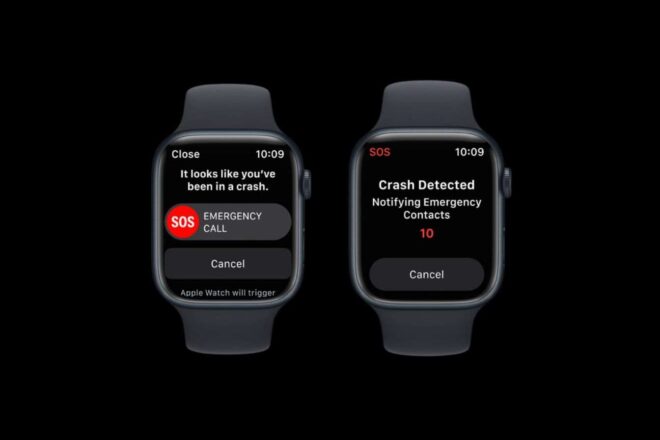
During a recent concert, an Apple Watch's emergency features were unexpectedly triggered in the midst of a lively mosh pit. The incident highlights how wearable technology can sometimes interpret energetic dancing as a call for urgent assistance.
Tl;dr
- Apple Watch Crash Detection triggers emergency calls at festivals.
- These smartwatches have helped save thousands of lives.
- Algorithmic challenges persist in real-world event detection.
The Unexpected Consequences of Smartwatch Vigilance
The scene: a packed British rock festival, June 2025. The crowd surges and leaps in unison, swept up in the music—until something else, altogether unexpected, interrupts the revelry. Suddenly, local emergency services in Leicestershire are swamped with over 700 extra calls. The culprit? The Crash Detection feature on countless Apple Watch devices, mistakenly registering the wild dancing as life-threatening incidents. While this oddity provoked some amusement among festival-goers and responders alike, authorities soon advised attendees to switch to airplane mode or temporarily disable crash alerts during large gatherings.
When Technology Saves Lives—And Sometimes Fumbles
Yet dismissing these incidents as mere quirks would be missing a larger truth: these connected devices have proven their value well beyond entertainment mishaps. Take the case of Bob Burdett, a cyclist in the U.S., who was swiftly rescued following a serious fall after his watch autonomously called for help. Another story surfaced in Michigan—a woman was warned of an irregular heartbeat moments before she suffered a cardiac episode. According to figures from Apple, more than 10,000 emergency responses in the United States alone have been triggered by their fall detection system since its debut with Series 4.
To give a sense of their impact, here are just some situations where these devices made all the difference:
- Lone accidents in remote areas; automatic emergency alerts.
- Undetected heart issues flagged before symptoms arose.
- Elderly individuals located after fainting or falling at home.
The Algorithmic Challenge Behind Every Alert
Behind each well-timed rescue—or false alarm—lies an intricate technical battle. The machine learning and digital health teams at Apple are engaged in ongoing refinement of their algorithms to discern between real emergencies and energetic movement. By leveraging gyroscopes, accelerometers, GPS data, and even microphones for impact noise analysis, they strive to minimize confusion between a dancefloor mishap and an actual collision.
A Glimpse Into Tomorrow’s Health Guardians
All things considered, the line between gadget and genuine healthcare companion is blurring fast. As these smartwatches evolve—with updates designed to distinguish a frantic pogo from a dangerous fall—they increasingly anchor themselves as indispensable partners for personal health. It isn’t far-fetched to imagine future wearables capable not only of incident detection but also early warnings for illnesses or even burnout.
Wearing an Apple Watch, then, offers reassurance—but as recent events show, it also brings collective unpredictability into the mix.