AI Dynamics: As China Accelerates, Meta Hits the Brakes
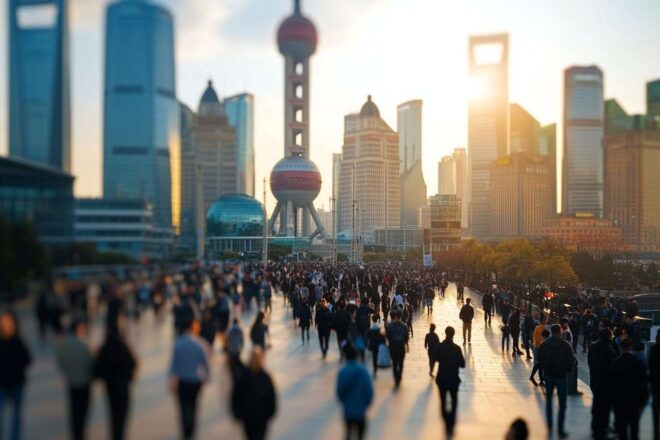
As China accelerates its efforts in artificial intelligence development, Meta is taking a more cautious approach. The contrasting strategies highlight the differing priorities and regulatory environments shaping the future of AI innovation in both regions.
Tl;dr
Chinese Firms Surge Ahead in Open-Source AI
The landscape of open-source artificial intelligence is shifting rapidly, especially as leading Chinese technology companies double down on their ambitions. In the past few months, heavyweights like Alibaba Group Holding and Zhipu AI have rolled out headline-grabbing innovations. For instance, Alibaba’s Wan 2.2 tool has been touted as « the first open-source video generator built with Mixture-of-Experts (MoE) architecture », aiming to make high-level creative video generation widely accessible—bordering on cinematic quality.
Such bold claims are not isolated: the unveiling of new models in Shanghai during the World Artificial Intelligence Conference underscored the intense interest in China’s AI sector. Crowds thronged Zhipu’s booth, reflecting both curiosity and a palpable sense that a major shift is underway. According to twelve key benchmarks, Zhipu’s GLM-4.5 now ranks third globally across all model categories—and leads among open-source solutions.
The American Pivot: From Openness to Caution
Meanwhile, the mood in the United States has grown noticeably more cautious. Only a year ago, Meta Platforms, led by CEO Mark Zuckerberg, openly championed the notion that « open source is the future of AI ». However, recent statements from the parent company of Facebook signal a recalibration of this stance—particularly regarding its influential Llama models. The new mantra? Proceeding more « prudently » with releases and collaborations. In this context, some observers wonder whether America risks ceding ground just as global competition heats up.
A Darwinian Race for Supremacy
Industry voices suggest that what is happening in China is no accident. According to Andrew Ng—renowned authority on deep learning—China’s collaborative energy could allow it to « overtake the US in AI capabilities ». Wu, an associate professor at Stanford, describes this as a « Darwinian struggle for dominance in foundational models », where every company pushes relentlessly to outpace rivals.
Here are some core factors driving this momentum:
The Stakes: New International Standards?
So what does this all add up to? As international standards for AI evolve—potentially shaped by successes like Zhipu’s latest breakthroughs—the issue now extends well beyond openness or transparency. The crux may soon revolve around which nation or ecosystem can establish itself as the defining force behind future AI technologies. In this race, caution and ambition collide—a dynamic certain to shape tomorrow’s digital order.