Why Are the United States So Eager to Install a Nuclear Reactor on the Moon?
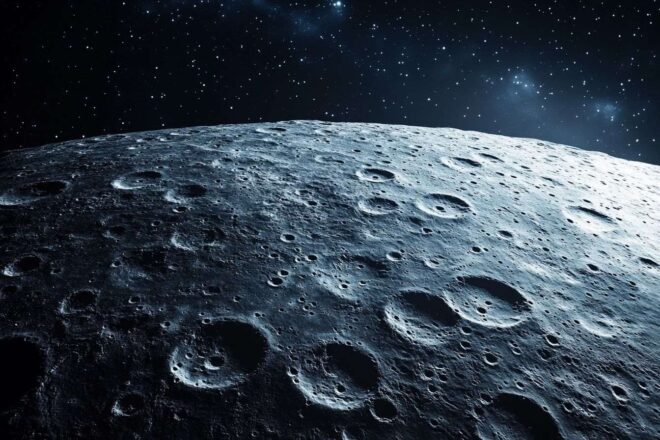
The United States is pushing forward with plans to install a nuclear reactor on the Moon, highlighting growing ambitions for lunar exploration and the need for reliable energy sources to support long-term missions and future lunar bases.
Tl;dr
Strategic Tensions in Lunar Exploration
The United States’ ambition to place a nuclear reactor on the surface of the Lune is rapidly gaining momentum, with mounting international pressure sharpening this new chapter in the space race. On Tuesday, August 5, 2025, the Nasa reaffirmed its intention to fast-track this initiative—a move that comes as both Chine and Russie signal their own plans for similar installations before the mid-2030s. The lunar battleground is shifting from flag-planting symbolism to a contest over long-term technological dominance.
A Race Against Time—and Rivals
For many at Nasa, including acting agency head Sean Duffy, urgency is now essential. « It is imperative that the agency act quickly », he stated, emphasizing fears that either rival could establish an exclusion zone around their infrastructure—effectively limiting American expansion under the ambitious Artémis program. Launched during Donald Trump’s presidency, Artémis aims to return American astronauts to the Moon by « mid-2027 » and secure a sustained presence not seen in over half a century.
Nuclear Power: The Technological Pivot Point
Addressing these new challenges requires a breakthrough in how energy will be produced on the Moon. Although solar panels have powered past missions, they struggle in regions near the lunar south pole—areas often plunged into weeks-long darkness. As such, nuclear solutions are emerging as the clear frontrunner. The forthcoming call for proposals will require any reactor to produce at least 100 kilowatts—enough energy to power about 75 American homes.
To better appreciate what’s at stake, consider these points:
Looming Uncertainties and Renewed Priorities
Yet despite bold targets, U.S. policy appears occasionally unsettled. The debate about prioritizing Mars over lunar projects has been reignited by Donald Trump‘s criticism of Artémis’s pace and costs—not to mention ongoing influence from figures like Elon Musk, whose passion for Mars remains undiminished. However, after recent tensions between Musk and government officials—and amid intensifying global competition—the logic for maintaining focus on lunar ambitions has become clearer within Nasa. Ultimately, it’s apparent: advancing lunar nuclear energy stands as a pivotal lever for America’s next giant leap in space exploration.