Champion Refuels With 3,320 Calories After Grueling IRONMAN to Aid Recovery
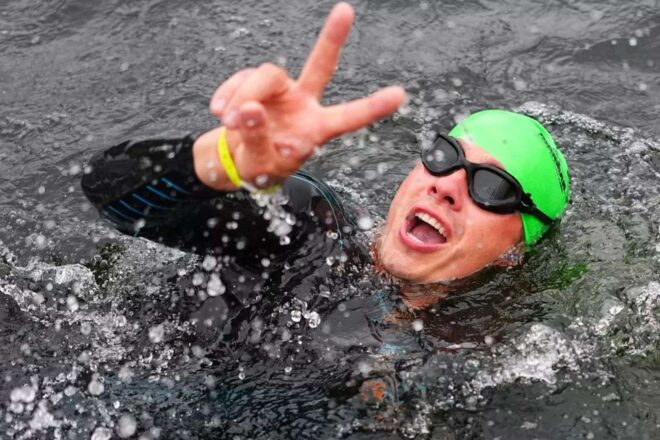
Following a grueling IRONMAN competition, the champion replenishes his energy reserves by consuming 3,320 calories. This substantial intake supports recovery after enduring one of the most demanding endurance events in the world.
Tl;dr
- Matthew Marquardt sets new IRONMAN Lake Placid record.
- Recovery relies on tailored, high-calorie post-race nutrition.
- Both elite and amateur athletes must adjust energy intake.
Challenging Conditions and a New Record at Lake Placid
On July 20th, the scenic—yet notoriously grueling—IRONMAN Lake Placid became the stage for a remarkable feat. Under persistent rain and amidst unpredictable conditions, Matthew Marquardt clinched victory with a new course record of 7 h 50 min 08 sec. The event, combining a 3.8 km swim, a daunting 180 km bike ride, and a marathon run, tested every facet of endurance. Notably, Marquardt emerged from the water battling cramps and was forced to dig deep during the marathon, ultimately finishing that segment in just 2 h 39 min. It’s fair to say that no part of this achievement was handed to him.
Nutritional Strategy: Refueling After the Finish Line
Shortly after his win, Marquardt drew attention again—this time off the racecourse. He surprised followers on Instagram by sharing an unfiltered look at his post-race meals. His approach? A substantial intake of sugars, simple carbohydrates, and some ultra-processed foods totaling 3 320 kilocalories. For context, that’s more than many amateur triathletes consume during the entirety of an event day. While this might appear excessive to some, such a strategy is anything but random; it reflects the physiological demands placed on those who push their bodies to extremes.
The Science Behind Extreme Recovery Nutrition
After pushing physical boundaries in events like an IRONMAN or ultramarathon, focus inevitably turns to recovery. The immediate challenge is to replenish what’s been depleted—particularly muscle glycogen, the body’s crucial energy reserve. To restore these levels efficiently requires targeted nutrition: think carbohydrates (like rice or pasta), high-quality proteins (such as eggs or lean meats), and healthy fats (for example, olive oil or fatty fish). One seasoned reminder echoed in athletic circles is « Mieux vaut privilégier des aliments peu fibreux et facilement assimilables dans les heures qui suivent un effort extrême » ».
In practical terms, successful recovery hinges on several pillars:
- Rapid rehydration to offset fluid and electrolyte losses;
- Muscle regeneration fueled by adequate protein and caloric intake;
- Immune support via essential vitamins and minerals.
A Balancing Act: Personalizing Recovery for All Athletes
While elite strategies like those of Marquardt often make headlines, there’s growing recognition that tailored recovery matters for amateurs too. The crucial point? Energy intake should match both physique and race effort. Consuming large quantities after a race shouldn’t be mistaken for reckless indulgence; rather, it’s about listening carefully to one’s body. Ultimately, robust post-race nutrition does more than speed up recovery—it reduces injury risk and helps ensure athletes return stronger for their next challenge. Sometimes, it seems, success begins as much in the kitchen as on the course.