Samsung Galaxy Z Fold 7 vs Google Pixel 10 Pro Fold: Which Foldable Will Lead the Market?
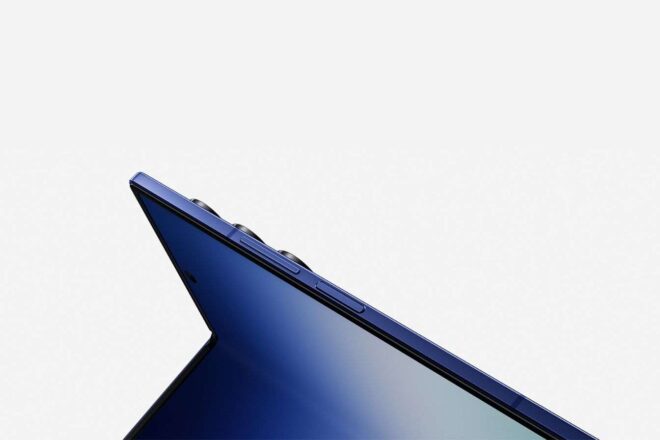
As the competition in foldable smartphones intensifies, Samsung prepares its Galaxy Z Fold 7 while Google readies the Pixel 10 Pro Fold. Both tech giants aim to set new standards in innovation and user experience, raising questions about which will lead the market.
Tl;dr
- Galaxy Z Fold 7 faces Pixel 10 Pro Fold showdown.
- Battery, screen, and AI are key differentiators.
- Competitive pricing and features fuel intense rivalry.
The Coming Clash: Foldable Phones Reach New Heights
There’s a palpable sense of anticipation as the launch date for the next generation of foldable smartphones draws near. In recent weeks, the Samsung Galaxy Z Fold 7 has captured widespread attention, earning its place as a benchmark among folding devices. The South Korean brand’s latest offering—unveiled this July at a price tag of $1,999—has set expectations high with both technical advancements and an unmistakably premium positioning.
Yet, the upcoming event from Google, « Made by Google », scheduled for August 20th, threatens to shift the spotlight. The much-rumored Pixel 10 Pro Fold is poised to debut at an even more competitive price point—sources suggest around $1,600—which signals a clear intent to challenge Samsung‘s dominance in this segment.
Batteries and Performance: Two Divergent Strategies
Under the surface of marketing battles lies a deeper competition over core specifications. When it comes to battery, strategic choices diverge sharply: while Samsung maintains the status quo with a familiar 4,400 mAh unit carried over from the previous Z Fold iteration, Google appears ready to push boundaries. Reports indicate that the Pixel’s battery could reach a robust 5,015 mAh—and support Qi2 wireless charging for added convenience.
Performance-wise, Samsung puts its faith in raw processing power with the latest Snapdragon 8 Elite For Galaxy chip. Google counters with its own innovation: the homegrown Tensor G5, manufactured at an advanced 3 nm node. If preliminary numbers hold true, both handsets promise speed—but their approaches reflect distinct philosophies.
Screens and Durability: Distinct Strengths on Display
Display technology remains another battleground. The Z Fold 7 impresses with an expansive internal screen—measuring eight inches—yet fits into a thinner and lighter chassis than before (over 15% leaner compared to Google’s current foldable). Meanwhile, Google appears intent on maximizing usable area by reducing bezels and incorporating its Super Actua display technology, which can reportedly deliver up to 3,000 nits brightness.
Durability takes center stage as well. The Pixel 10 Pro Fold may be among the first foldables with an IP68 rating—outclassing Samsung’s IP48 certification. Technical details worth noting include:
- Z Fold 7: A new 200MP main camera; expanded color options.
- Pixel 10 Pro Fold: Enhanced battery; up to 1TB storage at launch.
A Battle Shaped by Artificial Intelligence
No less significant is each brand’s software strategy. With both manufacturers touting major progress in artificial intelligence, unique user experiences are expected to emerge. While Samsung introduces One UI 8 with advanced AI features—though notably drops internal stylus support—Google seeks to further refine photo assistance and smart tools within its suite.
Both companies have also pledged seven years of substantial updates—a nod to long-term value for users.
In summary, although many see the Galaxy Z Fold 7 as an early frontrunner due to its finish and photography prowess (« Sony has really raised the bar this year! »), it would be premature to dismiss Google’s efforts just yet (« The gap could close thanks to price and battery life. »). This autumn promises one of the most compelling showdowns yet in the world of foldables.