Donald Trump Mobilizes National Guard in Washington: What Responsibilities Do They Hold?
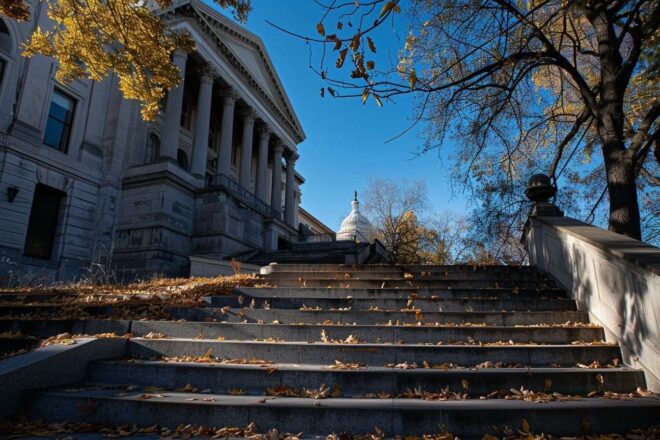
Amid heightened tensions in Washington, Donald Trump has called upon the National Guard to intervene. This move raises questions about the specific responsibilities and powers of the National Guard during such deployments in the nation’s capital.
Tl;dr
Presidential Deployment Stirs Debate in Washington
The decision by Donald Trump to activate the National Guard in Washington, citing an alleged surge of violent gangs, has sent ripples through the capital’s already tense atmosphere. This move, described by the president as necessary to « restore law, order, and public safety », remains highly contentious, especially since the city’s mayor vigorously disputes any notable increase in crime.
What’s striking here is not only the scale—some 800 reservists called up—but also the context: direct intervention from the federal executive. The last comparable deployment took place in Los Angeles, following widespread protests, prompting memories of earlier crises and sparking renewed debate over presidential powers.
The Unusual Nature of the National Guard
Distinct from regular armed forces, the members of the National Guard lead double lives—balancing civilian jobs with military responsibilities. With around 433,000 personnel authorized under the Department of Defense budget, they form a unique layer within America’s defense apparatus. While that figure pales next to the country’s more than 1.3 million full-time military professionals, their presence spans all fifty states as well as territories like Guam and Puerto Rico. Typically mobilized for natural disasters or humanitarian missions—think mass evacuations or emergency food supplies—these reservists have also seen action abroad, notably in Iraq and Afghanistan.
A Chain of Command Unlike Any Other
Where things become especially complex is in command structure. Normally, each state governor controls activation of their own National Guard units. Yet in Washington, which holds a unique constitutional status, only the president has this authority. Occasionally, a president may even override a reluctant governor—something witnessed most recently during the June deployment to Los Angeles, a scenario unseen since the social upheavals of the 1960s.
Sporadic Use Amid Persistent Controversy
Historically, calling up these forces for internal security marks major inflection points: maintaining order during Los Angeles riots in 1992; protecting Black students amid segregation after the Supreme Court’s pivotal 1954 decision; or supporting state responses during recent Black Lives Matter demonstrations. In fact, over twenty-five states relied on them to enforce curfews during those turbulent weeks.
Yet despite their broad mandates—from disaster relief to pandemic logistics—the mass deployment of reservists by presidential order is infrequent and always polarizing. It raises enduring questions about where lines should be drawn: how far should America rely on a part-time military force to manage unrest at home? The dilemma persists—and each new crisis brings it back into sharp focus.