Altman and Musk Face Off in the Battle for the Connected Brain
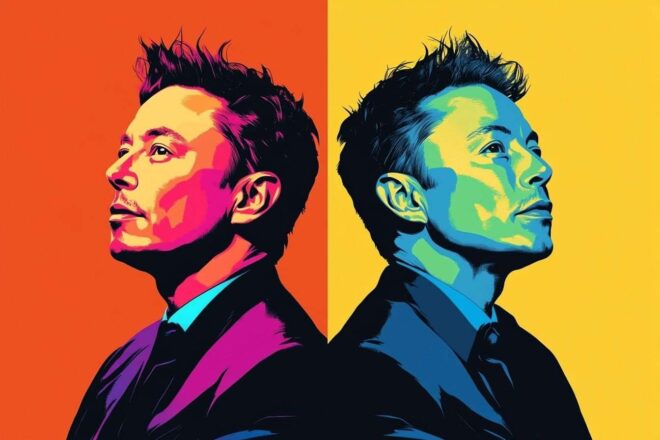
Sam Altman and Elon Musk, two leading figures in the tech world, are now rivals in the race to develop brain-computer interface technology, each aiming to revolutionize how humans interact with machines through direct neural connections.
Tl;dr
A New Chapter in Tech Rivalry
The unfolding competition between Sam Altman, co-founder of OpenAI, and tech magnate Elon Musk has taken an unexpected turn, spotlighting the rapidly evolving sector of brain-computer interfaces. With Altman‘s public endorsement of the start-up Merge Labs, a new challenger has emerged to contest the dominance of Musk‘s flagship company, Neuralink. Although both men once joined forces at the birth of OpenAI, their paths have since diverged—now setting the stage for a high-stakes showdown over the future integration of human cognition and machine intelligence.
Spectacular Funding Fuels Ambitions
The financial momentum behind Merge Labs is nothing short of remarkable. According to the Financial Times, the company is on track to secure nearly $250 million in funding, largely fueled by investment from the OpenAI-backed fund. This would propel its valuation close to $850 million, all before any commercial product has been released. Interestingly, despite his visible support, Altman neither plans to invest personally nor take up a hands-on leadership role. The operational helm appears to be steered by Alex Blania, previously recognized for his work on the controversial crypto initiative, Worldcoin. Their collective vision? To develop advanced neural implants that directly connect human thought with cutting-edge artificial intelligence (AI) systems.
The Stakes: Two Philosophies Collide
There’s something fascinating—and slightly unpredictable—about this narrative. For context, while Musk‘s established venture, founded in 2016, boasts FDA approval for human trials and carries a staggering nine billion dollar valuation, it pursues a hardware-centric path: «Musk controls the front door to the brain; Altman wants to infuse it with AI.» Some analysts frame their rivalry as symbolic of diverging approaches within neurotechnology. In contrast to its more seasoned competitor, Merge Labs is betting heavily on leveraging artificial intelligence as its core differentiator—hoping to leapfrog current technological limitations through software-centric innovation.
Navigating Uncertainty and Ethical Frontiers
Yet even with vast resources and star power at play, several hurdles persist. The field must navigate:
No matter how compelling each vision may seem—the chatbot pioneer versus the architect of neural connections—one question lingers: how far are we prepared to blur the line between human and machine? For now, this remains an open frontier marked by promise—and profound uncertainty.