A month with the Galaxy Watch8: Innovation on your wrist, but not without compromises
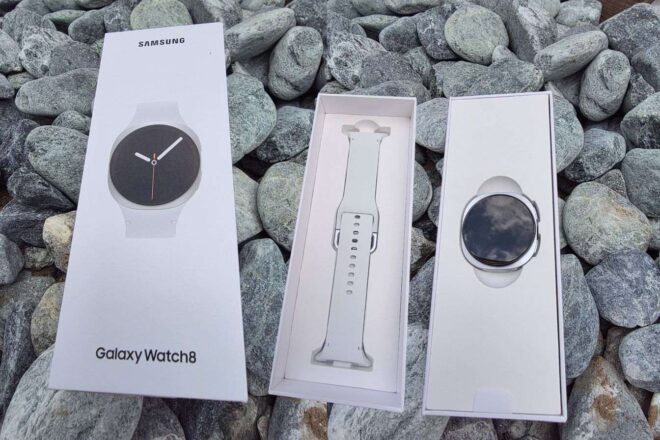
After a month of daily use, the Galaxy Watch8 stands out for its cutting-edge features and sleek design. While it introduces notable innovations to wearable technology, users may still encounter minor compromises that impact the overall experience.
Tl;dr
A Bold Shift in Smartwatch Design
The unveiling of the Samsung Galaxy Watch8 signals more than just another incremental update in the world of connected watches. In a move that breaks with tradition, Samsung has opted for a distinctive square casing—clearly inspired by its own Galaxy Watch Ultra. Despite this geometric change, the device retains its trademark circular display, striking a compelling balance between familiarity and innovation. The result is a silhouette that is not only aesthetically refined but also remarkably slim—measuring 11% thinner than last year’s version. Comfort hasn’t been sacrificed: even during brisk morning runs, the watch feels almost weightless on the wrist.
Gemini: Ushering in AI-Powered Interaction
However, what truly sets this model apart lies beneath the surface. For the first time on a smartwatch, the integrated Gemini AI assistant—developed by Google—offers users an entirely new way to interact with their device. Native support for Gemini comes on the heels of its July 2025 rollout for Wear OS devices across brands like Pixel, OPPO, and more. On the Galaxy Watch8, this translates into smooth multitasking: whether it’s creating calendar events, dispatching reminders, summarizing emails, or executing local searches, users can perform these actions almost effortlessly. Perhaps most surprising is how little impact these advanced features have on battery consumption: even with frequent voice commands, less than a quarter of battery life is consumed over several hours.
A Health Companion Packed With Features
The focus on well-being and sports tracking has been significantly enhanced. Beyond standard tools—heart rate monitoring, detailed sleep analysis, and body composition—the watch introduces notable additions:
• An Antioxidant Index using carotenoid measurement via the thumb.
• Advanced sleep tracking recommending optimal rest schedules based on circadian rhythms.
• Blood pressure monitoring calibrated against traditional cuffs.
• Stress alerts and mindfulness exercises to encourage regular breaks.
For runners especially, an intelligent running coach assesses fitness after just twelve minutes and delivers tailored training programs—from casual five-kilometer jogs to marathon preparation—with real-time analysis of heart rate zones and VO2 max.
The Innovation-Battery Trade-off
Having worn the device extensively for over a month, its day-to-day performance impresses: responsiveness, accuracy of readings, and outstanding screen brightness (up to 3,000 nits) are all strong points. That said, two persistent flaws should be noted. Firstly—despite all the technological advances—the battery struggles to exceed 25 hours with always-on display enabled; secondly, recharging nearly takes two hours. For some users these may be minor drawbacks compared to the breadth of functionality now offered at a starting price of €380. Still, it’s hard not to admire such boldness from Samsung, even if perfection remains elusive.