Google Introduces Pixel Watch 4: Release Date, Pricing, and New Health Features Revealed
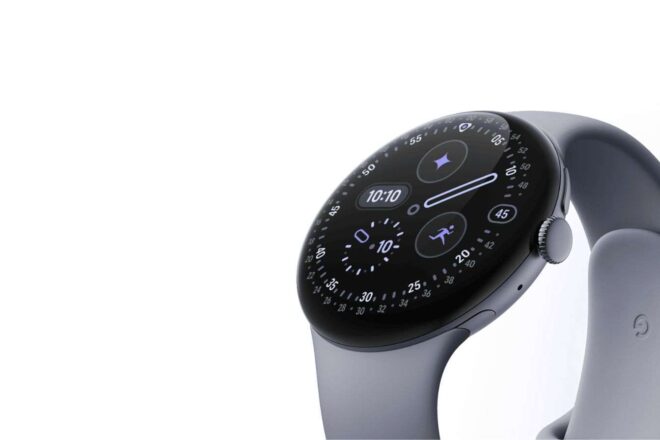
Google has introduced the Pixel Watch 4, revealing its official launch details, pricing structure, and a renewed focus on health features. The new smartwatch aims to strengthen Google’s position in wearable technology with advanced wellness innovations and competitive market entry.
Tl;dr
- New Pixel Watch: improved battery, same price.
- Satellite SOS enhances safety features.
- Gemini AI brings smarter health and sport tools.
Familiar Design, Subtle Advancements
The unveiling of the Google Pixel Watch 4 on August 20, 2025, left more than a few observers doing a double take. At first glance, it would be easy to confuse it with last year’s Pixel Watch 3. Externally, the dimensions and weight remain nearly identical—a move that will reassure fans of its sleek silhouette. Yet, beneath this familiar casing, Google has quietly introduced significant enhancements that aim to set this generation apart.
Notably, the display has undergone thoughtful refinements. The screen now features a subtly curved glass and thinner bezels—shrunk by 16%—which translates to roughly 10% more usable surface area. This adjustment not only improves touch responsiveness but also offers users an even brighter interface: up to a striking 3,000 nits, ensuring crystal-clear readability under direct sunlight.
Stronger Battery and Refined Charging Experience
Turning to endurance, the new model promises substantial gains. According to official figures, users can expect up to a 25% boost in battery life. Specifically, the 41 mm edition delivers around 30 hours on a single charge with the always-on display activated; the larger 45 mm version may even surpass 40 hours. A more capacious battery works in concert with an efficient dual-chip system—a combination intended to maximize longevity without sacrificing performance.
But that’s not all: charging is both faster and more convenient. The connector now sits on the side of the watch. As per Google, a complete recharge should take just 45 minutes. There’s also a « table clock mode » for added utility while charging—making the watch useful even when off your wrist.
Satellite SOS and Smarter Features
Where this generation truly stands out is in the realm of safety and intelligence. The headline innovation is surely Satellite SOS. Available exclusively on LTE versions within the continental United States, this feature allows users to contact emergency services when cellular networks are unavailable—a function that draws inspiration from previous Google smartphones but breaks new ground for smartwatches.
If standard emergency calls fail (notably attempts to reach « 911 »), the device will attempt satellite communication and can notify your emergency contacts automatically. Beyond this, software improvements abound:
- The integration of Gemini AI, which enables contextual voice assistance via simple wrist gestures (no need for « Hey Google »).
- An enhanced sports activity detection system.
- A refined skin temperature sensor.
- A new dual-band GPS for increased accuracy.
And importantly for sustainability-minded consumers: both screen and battery are now replaceable through authorized repairers.
No Change in Price, Soon Available
Despite these upgrades, pricing remains steady at around €349 (41 mm), mirroring last year’s rates. LTE versions are listed at €449 (41 mm) and €499 (45 mm). For American buyers opting for Google or Best Buy, two years of LTE connectivity are included at no extra cost—a tempting offer ahead of commercial release scheduled for October 9.
All things considered, while the new iteration doesn’t reinvent wearable tech as we know it, it checks every box required for top-tier Android smartwatches in 2025—quietly elevating itself above competitors through careful refinement rather than sweeping revolution.