Zero-Day Vulnerabilities: The Multi-Million Dollar Flaws Hackers and Buyers Covet
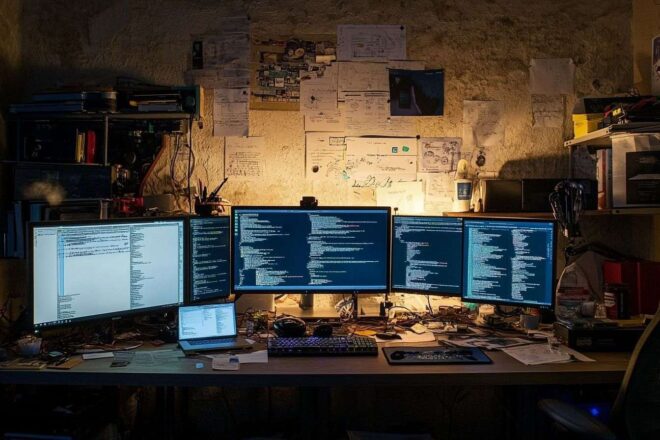
Critical software vulnerabilities, known as zero-days, have become highly prized assets in the world of cybersecurity. These flaws, undiscovered by developers, can command multimillion-dollar prices, fueling a secretive and lucrative market among hackers and intelligence agencies.
Tl;dr
- Zero-day exploits fetch multi-million dollar rewards.
- iPhone’s security breached in 15 seconds at Tianfu Cup.
- Apple introduced Lockdown Mode after Pegasus revelations.
The Genesis of the Zero-Day Concept
The phrase zero-day may sound technical, but its origins are surprisingly colorful, rooted in the hacking subculture of the 1990s. Back then, « zero-day » was slang for pirated software distributed on the very day it was officially released—meaning there was « zero day » delay. Over time, however, this term drifted into the realm of cybersecurity, coming to signify a software vulnerability unknown to developers and for which no patch exists.
The Million-Dollar Exploit Race
Fast-forward to recent years: the market for zero-day exploits has soared to dizzying new heights. A pivotal moment occurred in 2025 when a startup from the United Arab Emirates shook up the landscape by offering up to $20 million for a « zero-click » smartphone exploit—a hack requiring only a text message to seize control. The pricing structure for these digital skeleton keys is starkly clear:
- $15 million for Android or iPhone vulnerabilities,
- $10 million for Windows, $5 million for Chrome,
- $1 million for Safari or Edge flaws.
What’s most astonishing? Sometimes all it takes are a few cunning lines of code.
The Invisible Threat: High-Profile Attacks and Apple’s Response
Consider the now-famous 2021 Tianfu Cup, China’s premier hacking competition. There, Kunlun Lab managed to breach an iPhone 13 Pro running iOS 15.0.2 in just fifteen seconds—without any user interaction. Their method targeted Safari via a zero-click exploit, laying bare how even industry-leading security can be toppled by an expert team. This accomplishment earned them $120,000 and underscored how quickly defenses can crumble.
Yet perhaps nothing rattled the industry quite like the revelations surrounding the spyware Pegasus. Exposed in 2021 by Forbidden Stories and Amnesty International, Pegasus had covertly infiltrated thousands of phones belonging to journalists and officials worldwide without so much as a tap from victims. The fallout was immense: Apple not only sued NSO Group, creators of Pegasus, but also fast-tracked its response with an unprecedented feature.
A Blurred Line Between Defense and Danger
In answer to these mounting threats, Apple rolled out Lockdown Mode—a defensive shield introduced with iOS 16—explicitly designed for those most at risk: investigative reporters, political dissidents… This mode blocks suspicious attachments and disables risky web scripts outright.
Ultimately, as digital tools grow both more potent and perilous, we’re left with a paradox: « a handful of lines of code can both breach walls and build them higher. » It’s hardly an exaggeration—behind every urgent update notification lies the possibility that mere seconds could tip the scales between disaster and protection. As always in cybersecurity, vigilance remains our best defense.