US Schools Introduce Silence Mode for a More Focused Learning Environment
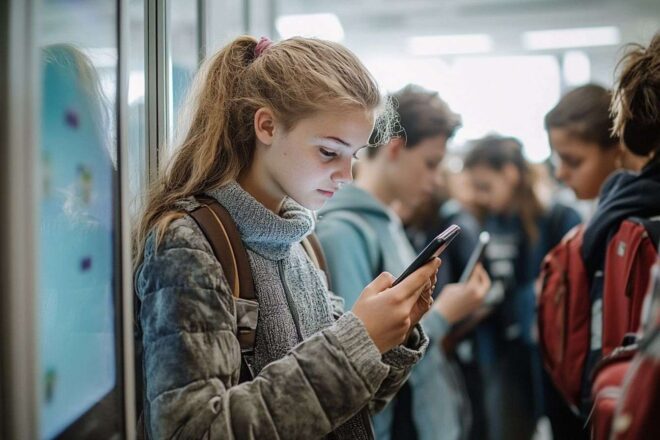
Across the United States, schools are increasingly adopting policies that limit smartphone use during class hours. Educators and administrators aim to minimize distractions, boost student focus, and improve academic performance by encouraging a quieter, phone-free learning environment.
Tl;dr
A Nationwide Shift: Schools Rein in Mobile Phone Use
Across the United States, a remarkable transformation is underway: a sweeping wave of mobile phone restrictions is reshaping daily life in educational institutions. Following the pioneering example set by Florida in 2023, no fewer than 35 states, as well as the District of Columbia, have now enacted policies that severely curtail students’ access to personal devices during school hours. This movement has garnered rare bipartisan support, with legislators from both major parties united by a shared goal—shielding young people’s concentration and mental health from the relentless pressures of digital connectivity.
Contrasting Experiences Inside the Classroom
Implementation of these rules varies markedly across the country. In some places, phones must be surrendered for the entire day; in others, restrictions apply only during lessons. At schools such as Doss High School in Kentucky and McNair High School near Atlanta, new rituals have emerged: students slip their devices into magnetic pouches or designated lockers upon arrival. Reactions among teenagers are predictably mixed. Some report improved focus and richer face-to-face interactions—« We talk more between classes or at lunch », one student observed. Yet others lament lost freedoms, like listening to music or staying in touch with family.
Educators largely endorse these changes. Many note fewer disruptions and greater opportunities for individualized guidance. As a researcher at Emory University remarked, there is « a marked drop in disciplinary incidents and a calmer atmosphere ». However, precisely quantifying improvements—such as declines in bullying or boosts to mental wellbeing—remains an elusive task.
The Parental Dilemma: Safety First?
Parental perspectives add another layer of complexity. For many families, a mobile phone represents an indispensable lifeline—a direct channel to children during emergencies at school. The anxiety surrounding this issue is palpable: « I need to know my child is safe instantly », insisted a mother near Atlanta. Surveys consistently highlight parental concern over safety as a significant obstacle to stricter enforcement of phone bans. Many parents also demand greater involvement in policy decisions and timely updates during critical events.
Not all jurisdictions have followed suit; notably, the Wyoming Senate recently rejected statewide mandates, preferring to leave discretion with local communities—a stance rooted in respect for shared responsibility among parents and teachers.
An Unresolved Debate on Real Impact
The science behind mobile phone use, social media exposure, and student wellbeing continues to evolve slowly. Experts at institutions such as Georgia Tech urge caution, questioning assumptions about harm: « Does negative impact really exist? And for which activities?» asks one specialist. While hard evidence remains scarce, the idea of restricting mobile devices is taking hold across America’s schools—even as discussions persist over where best to strike the balance between collective discipline and individual freedom.