Ghostbusters on NES: A Case Study in Rushed Game Adaptations
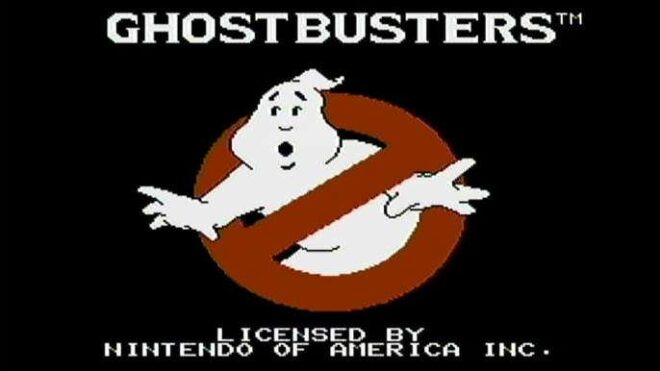
The NES version of Ghostbusters is often cited as a poorly executed adaptation, criticized for its gameplay and design flaws. Despite high expectations from fans of the film, the game failed to capture the spirit and excitement of the original movie.
TL;DR
A Contradictory Memory in the NES Era
Not all titles left fond memories during the heyday of the Nintendo Entertainment System (NES). Although some games became true icons, others—especially those based on major films—struggled to meet expectations. A prime example is Ghostbusters, released for the American market in 1988, two years after its Japanese debut. Far from honoring the spirit of its blockbuster namesake, this adaptation quickly earned a reputation among players for its technical flaws and lack of polish.
High Expectations, Bitter Disappointment
At that time, classics such as Mario and Mega Man were setting new standards for quality on the console. In contrast, Ghostbusters NES appeared to be an unfinished project rushed to market. Several factors explain this widespread frustration:
The Risks of Rushed Production
What explains such shortcomings? The answer seems clear: pressure from Columbia Pictures, keen to capitalize on the film’s commercial success, led to a hurried development process. This urgency was evident throughout the title—from sluggish gameplay and endless loading times to an English translation many considered downright careless. Ultimately, what emerged was less a passionate tribute than a calculated business move, leaving fans with little more than disappointment.
Cinema Adaptations: Lessons Learned
Nevertheless, not all film-based games suffered the same fate on NES. Just a few years later, Indiana Jones and the Last Crusade demonstrated that respect for source material and careful design could yield far superior results. Lauded for its graphics and faithful recreation of classic scenes by critics like Robert Swan in Computer and Video Games magazine, it offered proof that even with technological constraints, inspired adaptations were possible.
In retrospect, if Ghostbusters NES remains vivid in memory, it is largely as a cautionary tale—a reminder that rushing an adaptation can tarnish even the most beloved franchises.