Metal Gear Solid 5: Hideo Kojima’s Ambitious Masterpiece That Fell Short
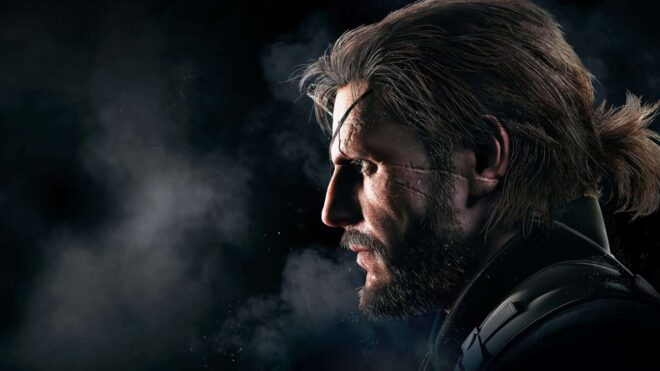
Hideo Kojima’s ambitious vision for Metal Gear Solid 5 captivated fans with its innovative gameplay and narrative depth, yet the game’s release was marred by controversies and unfinished elements, leaving many to debate its place in the iconic franchise.
TL;DR
- Metal Gear Solid 5 remains a brilliant yet unfinished masterpiece.
- Kojima’s exit from Konami shaped the game’s fractured narrative.
- The franchise’s future is uncertain without its visionary creator.
An Unfinished Masterpiece: The Enduring Enigma of Metal Gear Solid 5
A decade has passed since the release of Metal Gear Solid 5: The Phantom Pain, yet its reputation as both a technical marvel and an unfinished saga remains as compelling as ever. What was meant to be the crowning achievement of the legendary collaboration between auteur Hideo Kojima and publisher Konami instead became one of gaming’s most debated cautionary tales.
Trouble Behind the Scenes
The ambition was unmistakable. With a brand-new game engine, an expansive open world, and bold promises of synergy with its prologue, Metal Gear Solid V: Ground Zeroes, the project seemed destined for greatness. Hopes soared even higher as rumors swirled about a revived Silent Hill franchise under Kojima’s direction. Yet, beneath this optimism, storm clouds were gathering.
In spring 2015, just months before launch, something shifted dramatically. Fans noticed that “A Hideo Kojima Game” vanished from promotional materials—a move that hinted at profound discord between creator and company. Whispers soon emerged: internal restructuring at Konami, creative teams recast as mere contractors, internet restrictions, even surveillance cameras monitoring staff. Tensions boiled over with the abrupt cancellation of P.T., dashing hopes for Silent Hills’ return and leaving developers in an increasingly oppressive environment.
The Mark of Incompletion
Despite all these challenges, when The Phantom Pain finally arrived in September 2015, critics heaped praise upon it. Still, for many seasoned players, there was no ignoring the sense of absence—abrupt narrative gaps, recycled missions in an oddly constructed second chapter, critical story content left on the cutting room floor. One notorious casualty was “Episode 51,” whose removal due to looming deadlines became emblematic of dashed potential; only fragments surfaced later via bonus collector’s material.
Over time, fan theories blossomed about lost chapters—especially a mythical “Chapter 3” titled “Peace”—as well as unused game mechanics and unresolved links between prequel and main game. Among their lingering frustrations:
- Narrative density was sacrificed amid development turmoil.
- Certain alternative endings remain forever out of reach.
- Kojima’s departure casts doubt over any future sequels.
The Road Ahead for Metal Gear
Now solely in Konami’s hands, the fate of this storied franchise hangs in balance. Skepticism abounds regarding a potential Metal Gear Solid 6, especially without Kojima’s singular vision steering its course. Meanwhile, the series’ central motif—the ache of loss itself—echoes uncannily through its own incomplete state.
In retrospect, perhaps that is the most poignant irony: a game obsessed with phantom pain becomes itself a symbol of modern creative struggle—haunted by what might have been but never quite was.