Controversial Study Suggests Meat May Help Guard Against Cancer: Here’s What to Know
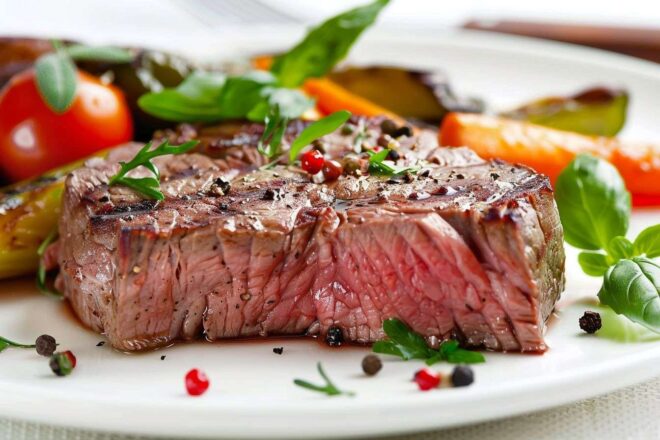
A controversial study has suggested that consuming meat may help protect against cancer. This claim has sparked debate within the scientific community, prompting experts to examine the research methods and implications for public health recommendations.
TL;DR
- New study links animal protein to reduced cancer mortality.
- Methodology blurs differences between red meat and other proteins.
- Experts urge moderation and varied, balanced diets.
Study Challenges Established Dietary Guidance
For years, major health authorities have issued stern warnings about consuming too much red meat. The International Agency for Research on Cancer (IARC), a body affiliated with the World Health Organization, has long classified beef, pork, and lamb as “probably carcinogenic,” while singling out processed meats like bacon and sausages as proven carcinogens. Countless studies have reinforced these concerns, highlighting connections between such foods and colorectal cancer.
Suddenly, however, that consensus appears less clear-cut. Researchers at McMaster University in Canada have published results suggesting that a higher intake of animal proteins could actually lower the risk of death from cancer. Their findings raise eyebrows—especially given financial backing from the National Cattlemen’s Beef Association, a prominent American industry group.
Dissecting the Data: What Counts as Animal Protein?
Yet before tossing aside established advice, a closer look at the study’s methodology is warranted. Notably, the research grouped a wide range of foods—poultry, eggs, dairy products, and fish—under the broad category of animal protein. This aggregation is significant: fatty fish like mackerel or sardines are widely recognized for their protective effects against certain cancers. Similarly, dairy products paint a mixed picture in scientific literature—sometimes appearing to lower risks for colorectal cancer but potentially raising those for prostate cancer.
Moreover, the study made no distinction between processed and unprocessed meats—a crucial omission given that processed varieties are most strongly linked to cancer risks.
A Closer Look at Plant Proteins—and Lingering Questions
The researchers also examined plant-based sources such as legumes, nuts, and soy but did not find strong evidence connecting these foods with reduced cancer mortality. This result contradicts longstanding scientific consensus emphasizing the protective role of fiber- and antioxidant-rich plant foods in healthy diets.
Experts advise caution before drawing sweeping conclusions from such research. In light of conflicting data and ongoing debate, nutritionists continue to recommend some simple principles:
- Diversify protein sources.
- Prioritize fruits and vegetables for overall balance.
- Limit ultra-processed foods.
Navigating Complexity: No Simple Answers
Every new study seems to remind us how intricate—and evolving—the science of nutrition remains. The temptation to label any single food as “good” or “bad” rarely survives deeper scrutiny. While this latest research rekindles debate around animal proteins, it certainly doesn’t justify abandoning moderation or giving free rein to red meat consumption. For now, balance remains our safest guide amid shifting scientific tides.