What Actually Happens Inside Your Body When You Swallow a Hair?
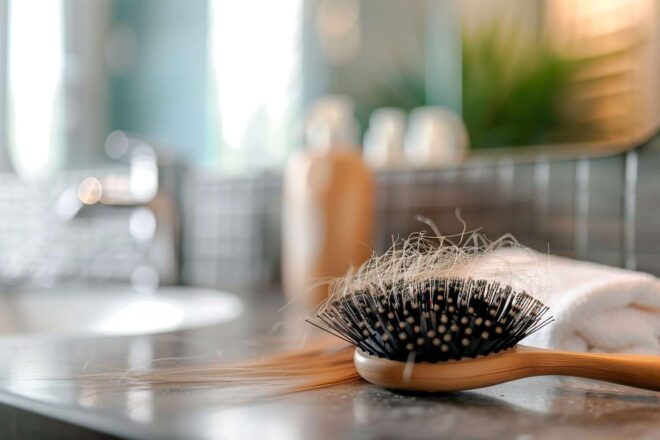
When a person accidentally swallows a hair, it typically passes harmlessly through the digestive system. Human hair is made of keratin, which cannot be digested, but it usually leaves the body naturally without causing health problems.
TL;DR
- Ingesting a hair is common and rarely dangerous.
- Hair cannot be digested, but usually passes naturally.
- Rare risk: seek help if persistent nausea or blockage occurs.
A Common Experience at the Table
If you’ve ever discovered a stray strand in your meal, you’re not alone—finding a hair on your plate is an experience many would rather avoid, but it’s more ordinary than one might assume. Whether it slips in unnoticed during a rushed lunch or ends up in your mouth as you absentmindedly twirl your own locks, ingesting a hair happens to almost everyone at some point.
The Journey of Hair Through the Digestive System
Now, what becomes of that accidental mouthful? Despite initial alarm, our bodies are remarkably equipped to handle these situations. Hair is composed of keratin, a tough protein that human digestive enzymes simply can’t break down. However, this doesn’t mean trouble: most swallowed hairs travel harmlessly through the digestive tract and are expelled naturally. Our systems are well adapted to eliminating small foreign bodies such as hairs or fibers without fuss.
When Swallowing Hair Becomes a Concern
Still, there are rare exceptions worth noting—particularly when hair ingestion becomes repetitive or compulsive. The medical world has given us the term trichobezoar: a compact mass formed by the gradual accumulation of hair in the stomach. This condition primarily affects individuals with trichophagia, a behavioral disorder involving the recurrent eating of one’s own hair. Symptoms that could signal trouble include:
- Persistent nausea or unexplained vomiting
- Recurring abdominal pain
- Sensations of digestive blockage
In such cases, prompt medical evaluation is essential—sometimes even leading to surgical intervention if obstruction occurs.
Sensible Habits and Practical Advice
For most people, however, there’s little cause for concern. Simple steps can reduce risks: tying back long hair during meals or taking extra care while preparing food helps minimize accidental ingestion. For those grappling with trichophagia, seeking behavioral or psychological support may provide lasting relief from this compulsive habit.
Ultimately, while finding hair in food might be unpleasant—and yes, mildly embarrassing—it seldom poses any health threat. Staying alert to unusual symptoms ensures peace of mind and keeps our digestive health on track. Sometimes, being informed is all it takes to keep worries off the menu.