What Frustrates James Cameron Most About the Criticism of Avatar
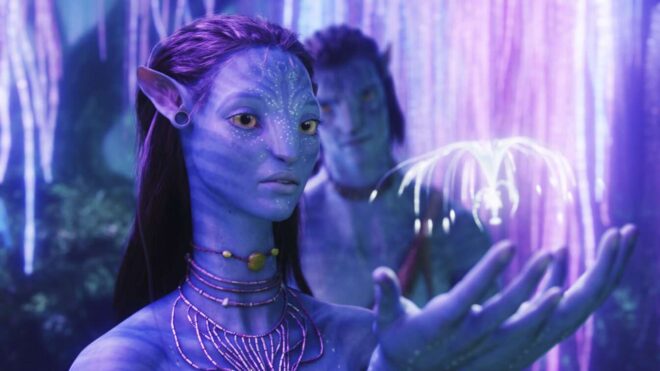
James Cameron has expressed frustration over certain aspects of the criticism directed at his Avatar films. The acclaimed director takes issue with some recurring themes in reviews, revealing deeper tensions between artistic ambition and public reception.
TL;DR
Technology and Talent: A Complicated Relationship in Avatar
There’s no denying that James Cameron‘s blockbuster franchise, Avatar, has stunned audiences worldwide with its technological prowess. Yet, beneath the shimmering surfaces of Pandora, a lingering frustration simmers for the visionary director. Despite shattering box office records, Cameron admits to a certain disillusionment: the truly grueling work of his actors remains eclipsed by the spectacle of visual effects.
The Overlooked Artistry of Motion Capture
Motion capture—often referred to as performance capture—is still misunderstood even sixteen years after the original film’s debut. According to Cameron, both audiences and some industry insiders mistakenly reduce these performances to mere voiceovers, as if lending one’s voice were all it took. He recalls conversations where even dedicated actors like Sigourney Weaver or Kate Winslet, who famously outperformed Tom Cruise in underwater breath-holding, receive only cursory acknowledgment for their efforts. The director’s irritation is palpable: “It’s as if people think Russell Crowe only dubbed his lines in Gladiator,” he remarked with more than a hint of exasperation.
Awards Recognition Remains Elusive
Cameron’s misgivings don’t stop at public perception—they extend to institutional recognition as well. Even within prestigious circles like the Directors Guild of America, turnout and interest in his cutting-edge productions can be discouragingly thin. At one recent screening, he wryly observed that none of the voters seemed present, given the total absence of impact on awards consideration. Still, he shrugs off this apparent snub: “Major prizes aren’t what drive us,” he confides—a telling statement from a filmmaker who has already etched his name into cinema history.
The Purity and Promise of New Techniques
Far from diminishing an actor’s craft, Cameron argues that modern technology offers a “purer” form of dramatic expression—one unfettered by old notions about cameras or celluloid film. For him, any perceived hierarchy between traditional acting and motion capture is nothing more than nostalgia clinging to familiar forms. For those who remain skeptical about the artistic legitimacy behind digital avatars and distant planets? Well, after three films ranking among the biggest box-office hits ever made, Cameron has little left to prove—and perhaps even less reason to look back.
-
Here’s what distinguishes performance capture in Cameron’s eyes:
- The intensity and skill required match any live-action role.
- Actors undergo extreme physical and emotional challenges for authenticity.
- The technology enhances—not replaces—the heart of their work.