Ten Oak Varieties Perfect for Planting in Your Garden
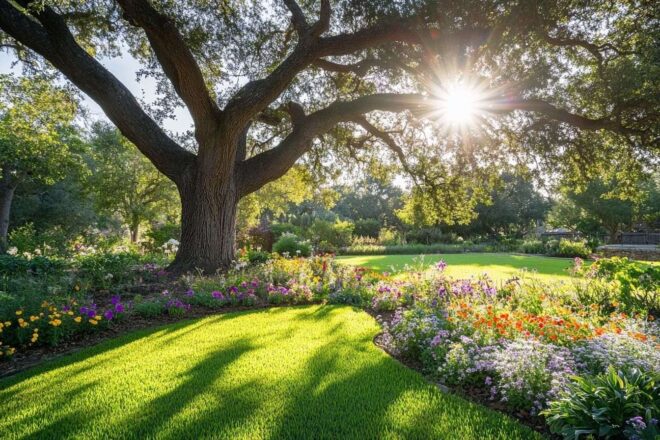
Choosing the right oak tree can transform a garden, offering beauty, shade, and ecological benefits. Here are ten varieties of oaks particularly well-suited for home gardens, each with unique features that appeal to gardeners and nature enthusiasts alike.
TL;DR
- Oaks support biodiversity and have exceptional longevity.
- Over 435 oak species show remarkable adaptability worldwide.
- Southern U.S. oaks display diverse forms and ecological roles.
A Living Testament: The Enduring Oak
For centuries, the oak has stood as a silent witness across landscapes, embodying endurance and grandeur in equal measure. With more than 435 species found worldwide—including roughly 90 native to North America—this tree reveals an astonishing diversity and adaptability that few can rival. Whether in stately parks or wild forests, each oak variety—white, red, or evergreen—displays its iconic lobed leaves and rugged, fissured bark.
Biodiversity Hub and Versatile Resource
It’s hard to overstate the importance of the oak within its ecosystem. Countless birds and small mammals find shelter among its spreading branches, while acorns provide vital nourishment for wildlife such as squirrels and deer. Yet this tree’s value extends far beyond the forest floor. Its dense wood has long been sought after for building robust furniture and hard-wearing flooring.
Despite these benefits, oaks aren’t without hazards. The high levels of tannins in their leaves, bark, and acorns can prove toxic if consumed in quantity by both livestock and humans—a reminder that nature often walks a fine line between abundance and caution.
Southern Varieties: Adaptation at Its Finest
In the southern United States, local conditions have inspired a rich tapestry of distinctive oak species. Here’s a glimpse at some notable examples:
- White oak: admired for autumn foliage and drought resilience.
- Southern red oak: recognizable by glossy green leaves.
- Live oak: famed along coastal plains for sprawling limbs draped with Spanish moss.
- Georgia oak: rare, flourishing on rocky outcrops.
- Nuttall oak: adapted to Mississippi Delta wetlands.
- Overcup oak: thrives in seasonally flooded ground.
Each displays unique leaf shapes, striking autumn colors, or particularly generous acorn crops—all crucial for supporting regional fauna.
A Commitment Rooted in Patience
Choosing to plant an oak tree is no act of instant gratification—it requires foresight. Their slow growth rate (often little more than one foot per year) underscores a commitment to future generations rather than immediate reward. Perhaps there’s something quietly instructive about this: amid today’s relentless pace, the enduring presence of an oak invites us to rediscover patience—and maybe even wisdom—in our everyday decisions.