Batman: The Animated Series, a Cornerstone of DC Animation
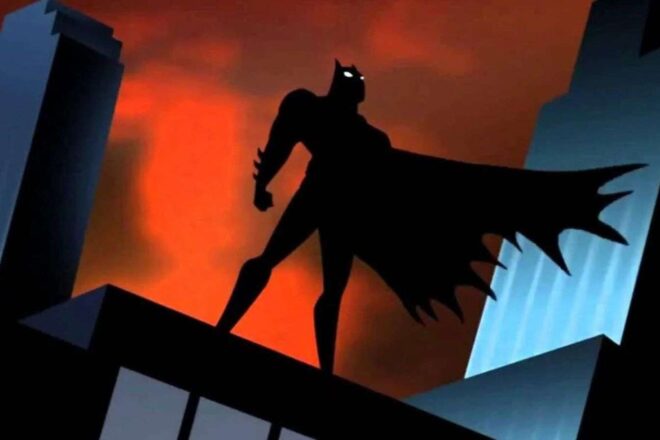
Widely recognized as a foundational work in DC animation, Batman: The Animated Series has had a lasting influence on superhero storytelling, acclaimed for its distinctive art style, mature narratives, and enduring impact on the genre.
TL;DR
- Animated series redefined the Batman myth and its villains.
- Introduced lasting new characters to the DC universe.
- Set the standard for Batman’s depth and complexity.
A Lasting Impact on Animation
More than three decades have passed since Batman: The Animated Series first aired, yet its influence lingers across both animation and superhero storytelling. Premiering on September 5, 1992, the series did more than entertain—it shifted how audiences understood the Dark Knight. Its moody atmosphere and sophisticated narrative structure broke from previous conventions, setting a new benchmark for what could be achieved in animated television.
The Reinvention of Gotham’s Icons
While many remember the titular hero, it was perhaps the show’s treatment of Gotham‘s notorious rogues that left an equally profound mark. No longer mere adversaries, characters like Mr. Freeze were recast with poignant backstories—his tragic arc in “Heart of Ice” exemplified this change. The same care extended to figures such as Two-Face, The Riddler, and Scarecrow, each brought to life with rare emotional depth. As for the Joker, Mark Hamill‘s chilling vocal performance fused menace with unpredictable theatricality—a standard still referenced today.
Expanding the Universe: New Faces Emerge
The legacy of Batman: The Animated Series isn’t limited to reinterpretations; it also expanded the entire DC universe. Take Harley Quinn: introduced as a secondary character in “Joker’s Favor,” she quickly captured viewers’ imaginations and ultimately made her way into mainstream comics. Other original additions—such as Renee Montoya and Phantasm—demonstrate that innovation thrived well beyond familiar faces.
For those curious about what set these innovations apart, consider:
- The introduction of nuanced character backstories.
- A willingness to show vulnerability in heroes and villains alike.
- The creation of new characters who became franchise staples.
The Human Side of the Masked Vigilante
Central to the show’s enduring appeal is its portrayal of Batman himself. Through Kevin Conroy‘s distinctive dual vocal approach—deep and imposing for Batman; lighter and conflicted for Bruce Wayne—the character emerged with a complexity seldom seen before. This nuanced depiction allowed viewers to glimpse both compassion and internal struggle beneath the cowl, shaping every subsequent screen iteration.
Now accessible on streaming platforms like Amazon Prime Video, Hulu, and HBO Max, this foundational series remains a vital touchstone for anyone seeking to revisit—or introduce others to—the profound legacy it carved within modern animation and superhero lore.