The Best Time of Year to Put Away Your Lawn Mower for Good
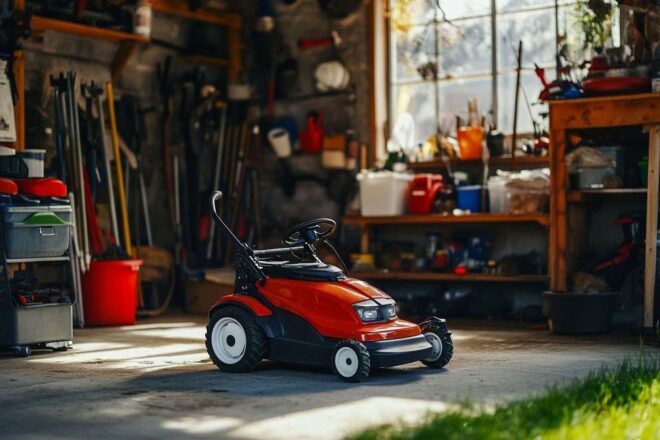
As the seasons shift and grass growth slows, homeowners face the question of when to store their lawnmowers for the year. Understanding the optimal time ensures equipment longevity and maintains lawns in top condition for the coming spring.
TL;DR
- Mowing ends when temperatures drop, not by calendar date.
- Monitor grass type and growth for best timing.
- Proper autumn care ensures a healthy spring lawn.
Mowing Season: Watch the Weather, Not the Calendar
As autumn draws near, the familiar dilemma returns: when should homeowners store away their lawn mower for the year? Many people instinctively turn to the calendar, yet experts insist that it’s really the thermometer—not the date—that calls the shots. For warm-season lawns, consistent dips below 15°C signal that growth has effectively stopped. In contrast, regions with cool-season grasses need to see maximum daytime temperatures below 12°C for several consecutive days before putting away mowing duties.
Tailoring Your Approach to Grass Types
Across France and much of temperate Europe, lawns are split into “warm-season” and “cool-season” varieties. Here’s where it gets a little technical:
- Warm-season grasses—common in southern climates—cease growing earlier, typically by early October.
- Cool-season grasses, prevalent in northern areas, can keep sprouting well into late October or even November.
This means there is no universal date for that final mow. Instead, a careful eye on your own turf—its look and pace of growth—offers the most reliable guide.
Natural Signals You Shouldn’t Ignore
Temperature isn’t everything. Several natural indicators can help pinpoint when to end mowing for the season. For instance, when roughly half your trees’ leaves have fallen, it’s a reliable clue that your grass is entering dormancy. Similarly, prolonged dry spells slow down turf growth dramatically. Don’t forget about fertilization: completing one last autumn feeding—well before any frost—is essential for root health but should mark your final pass with the mower to avoid disrupting vital root development.
Laying Foundations for Spring Resilience
While autumn lawn care might seem merely cosmetic, it actually sets up your yard for robust recovery in springtime. The right timing on that last mow, coupled with appropriate nutrition ahead of winter, shields roots from pests, disease and invasive weeds as warmer weather returns. Ultimately—and perhaps unexpectedly—a healthy lawn owes less to mechanical intervention and more to close observation as seasons shift.