The Hidden Health Risks Lurking in Household Mold
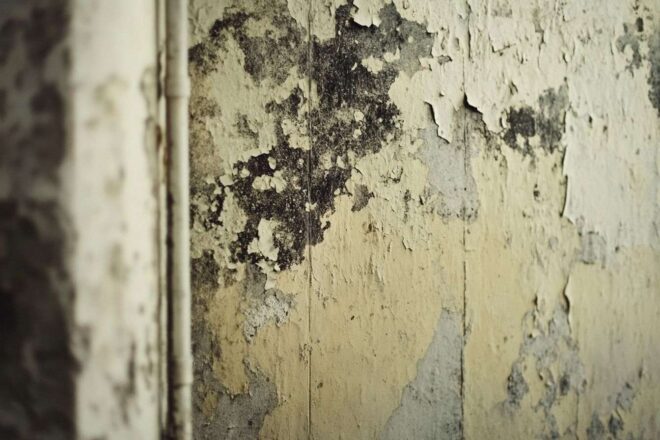
Often overlooked in daily life, household molds can have significant and sometimes unexpected impacts on human health. Growing in damp areas of homes, these fungi may contribute to a variety of health concerns beyond mere allergic reactions.
TL;DR
The Hidden Menace Lurking Indoors
It’s an uncomfortable truth: the quiet spread of mold in our homes rarely sets off alarms, yet its impact is anything but trivial. In the unseen nooks behind sinks, at the base of walls, or near windows, this persistent fungus finds its ideal habitat—thriving wherever moisture lingers. Invisible to many, its spores drift through the air, settling swiftly onto damp surfaces and blossoming into colonies that range in color from black to green or even white.
Who’s Most at Risk?
For some, a faint musty odor is merely a nuisance. But for children, seniors, and individuals with chronic illnesses, exposure to mold’s microscopic particles poses a far more serious threat. These populations are especially sensitive to the harmful effects that can compromise the immune system. Even without prior allergies or asthma, typical reactions are common:
- Sneezing and runny nose
- Itchy eyes and persistent cough
- Irritated skin and respiratory discomfort
Notably, those already dealing with respiratory conditions may find their symptoms suddenly aggravated. In more troubling cases, contact with certain “toxic” strains—such as the infamous Stachybotrys chartarum, or black mold—can result in much more than routine irritation.
The Invisible Toll on Health
Mycotoxins produced by these molds can trigger what specialists call a “toxic syndrome,” a cluster of symptoms ranging from relentless fatigue and recurring headaches to digestive upsets—and even neurological issues like memory lapses or mood swings. What’s more, scientific studies link chronic exposure to increased rates of anxiety, depression, and concentration difficulties among those living in contaminated spaces.
Prevention: Simple Steps That Matter
The good news? Keeping mold at bay is often within reach. Experts advise maintaining indoor humidity below 50%, addressing water leaks promptly, and ensuring efficient ventilation—especially in bathrooms and kitchens. When infestations persist despite these efforts, turning to professional remediation services is not just prudent but necessary. For vulnerable individuals such as asthmatics or those with weakened immunity, extra caution should be exercised at the first sign of symptoms related to mold exposure.
Ultimately, as society places greater emphasis on indoor well-being and air quality, prompt action remains our best defense against this quiet adversary—protecting both our homes and our health.