The Forgotten Game That Shaped the Entire RTS Genre
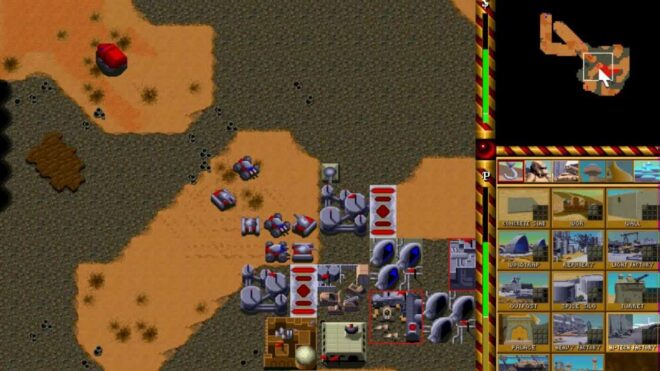
A long-forgotten game played a pivotal role in shaping the real-time strategy genre, influencing design choices and gameplay mechanics that became industry standards for future RTS titles. Its legacy continues to resonate with developers and fans alike.
TL;DR
A Silent Revolution: The Rise of Dune 2
Few recall that before the thunderous arrival of Warcraft, a less-heralded but pivotal title had already set the stage for the entire real-time strategy (RTS) genre. Released in 1992 by Westwood Studios and published by Virgin Games, Dune 2: The Building of a Dynasty carved its own path, inspired by Frank Herbert’s universe yet determined to transcend it. Despite its relative obscurity today, this game quietly redefined interactive strategy, laying down blueprints that others would build upon.
Pioneering Mechanics That Shaped an Industry
One must appreciate how many staple features now taken for granted originated with this early classic. For example, players were first confronted with the challenge of selecting among rival factions—a choice that affected strategy, unit types, and overall playstyle. The introduction of the “Fog of War”—a dynamic shroud obscuring unexplored or abandoned parts of the map—brought genuine suspense and uncertainty to each match. It was a bold leap at the time.
Moreover, these innovations extended to fundamental mechanics:
Without these concepts, it is difficult to imagine subsequent franchises—from Warcraft itself to recent favorites like Frostpunk—taking the forms they have today.
A Legacy Overshadowed but Enduring
Launched two years before Blizzard’s iconic debut in the genre, Dune 2 enjoyed solid sales and glowing reviews at release. Yet as newer titles rose to prominence, its star faded. Today, access is limited—modern players often overlook its existence entirely. Still, veterans recognize echoes of its design every time a base is constructed or resources are rationed in contemporary RTS games.
The Unseen Architect Behind Modern RTS Games
The DNA of Dune 2 continues to pulse beneath each new addition to the genre. Whenever gamers deliberate over house selection or outmaneuver opponents behind shifting veils of fog, they unknowingly revisit innovations introduced on digital Arrakis decades ago. While household names such as Age of Empires capture mainstream attention, it is worth remembering: much of what defines RTS play began here—an overlooked milestone deserving renewed appreciation.