Apple’s iPhone Air Debuts Without AR Glasses Integration
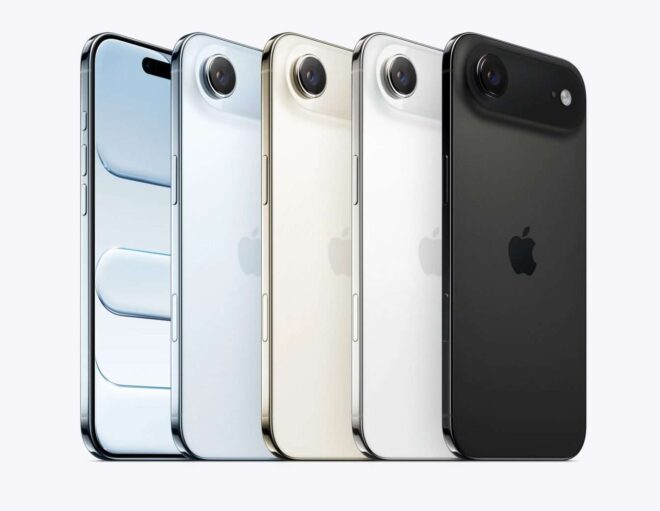
Apple’s latest iPhone Air has launched without support for augmented reality glasses, signaling a shift in strategy for the tech giant. This decision marks a notable departure from expectations surrounding Apple’s integration of AR technology into its flagship devices.
TL;DR
- No AR glasses support on new iPhone Air.
- USB-C port lacks DisplayPort video capability.
- Apple faces frustration from AR tech enthusiasts.
A Design Breakthrough Overshadowed by a Technical Absence
With the recent unveiling of the iPhone Air, excitement rippled through the tech community—mainly for its ultra-thin design and ambitious hardware. Yet, despite the allure of its slender profile and upgraded internals like the A19 Pro chip and a 48MP camera, Apple’s latest offering leaves a gaping hole: it simply does not support augmented reality (AR) glasses. In an era when such accessories are gaining traction, this omission has not gone unnoticed.
The USB-C Decision: Limiting Connectivity
At the center of user disappointment lies Apple’s decision to equip the iPhone Air with a USB-C port restricted to USB 2 standards—specifically, without DisplayPort (DP) support or so-called “Alt Mode.” This limitation stands in contrast to both competitor models and Apple’s own iPhone 17 series, which offer broader compatibility for external video devices. Tech forums such as Reddit have already been ablaze with confirmation that neither Xreal One Pro nor Viture Luma Pro AR glasses will work with the iPhone Air. Even Apple’s technical specifications leave no room for doubt: DisplayPort functionality is absent, unlike in certain previous models.
An Expanding AR Market Meets Frustration
For many users accustomed to using their phone as a source for virtual giant screens—sometimes up to 171 inches—the lack of AR support comes as a blow. Not only does it mean sacrificing immersive viewing or gaming experiences during travel, but it also compels some to consider cumbersome workarounds. To clarify what this means in practice:
- Diminished productivity and mobile entertainment via AR glasses.
- Possible reliance on unwieldy accessories for partial solutions.
- The iPhone Air lags behind direct competitors on this front.
No Immediate Fixes in Sight
Some might recall that creative engineering once salvaged similar limitations on devices like the Nintendo Switch 2 through third-party docks and updates. However, expecting users to accept clunky solutions runs counter to Apple’s usual pursuit of elegant simplicity. For now, there’s no sign of an official accessory or software update to bridge this gap for the iPhone Air—a situation causing real frustration among AR fans.
Ultimately, while Apple’s sleek new device sets fresh standards for style and performance, its restrictive approach to connectivity could end up alienating those eager to embrace the rapidly expanding world of augmented reality—at least until further notice.