Duke Nukem Forever: The Disappointing Comeback of a FPS Legend
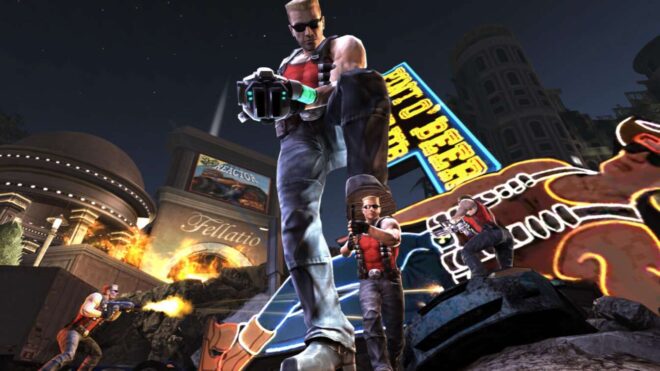
Once hailed as a pioneering force in first-person shooters, Duke Nukem Forever faced high expectations after years of anticipation. However, its eventual release was widely criticized, marking a disappointing comeback for the once-revered gaming icon.
TL;DR
The Rise and Fall of a Gaming Icon
It’s hard to overstate just how much anticipation once surrounded Duke Nukem Forever. In the early 1990s, the original Duke Nukem games—particularly the iconic 1996 release—were the very definition of irreverent cool. The brash, wisecracking hero became an instant pop culture phenomenon, capturing the spirit of first-person shooters in their heyday. Yet, after that triumphant moment, the series struggled to adapt: attempts at action-adventure spinoffs and even mobile versions never quite filled the void left by promises of a true sequel.
A Legendary Wait Turns Into Industry Cautionary Tale
Back in 1998, fans were thrilled by a teaser at E3 announcing the long-awaited continuation. But as months turned into years—ultimately stretching to a staggering fourteen—the project transformed into something of a legend for all the wrong reasons. Chronicled by creator George Broussard, development was hobbled by strategic missteps: repeated changes of game engines meant that entire swaths of completed work had to be scrapped and redone, leading to spiraling costs and endless delays.
Release, Disappointment, and Unmet Expectations
By the time Duke Nukem Forever finally hit shelves in 2011 under publisher 2K, expectations had curdled into skepticism. The game’s visuals looked hopelessly outdated; its trademark humor failed to connect with a modern audience. Critics were quick—and often merciless—in their assessments. According to quarterly figures released that year, sales amounted to barely half what was originally forecasted, underscoring just how far public sentiment had shifted.
Bitter Aftermath: Legal Disputes and Fading Hopes
What followed compounded the disappointment. Contentious legal battles erupted between industry heavyweights—Take-Two Interactive, 3D Realms, and later Gearbox Software. Arguments over contracts and rights, including disputes with composer Bobby Prince, kept any notion of a franchise revival firmly on ice.
Today, any prospect of Duke’s return faces formidable hurdles:
- The controversial legacy left by Gearbox
- Erosion of fan morale after years of waiting
- Poor reception for recent re-releases like those on Evercade
And so lingers an almost rhetorical question: will this infamous hero ever stage a true comeback? For now, “forever” feels like more than just a subtitle—it may well describe Duke’s long exile from center stage.