Fortnite: V-Bucks Now Available for Purchase at Fair Value
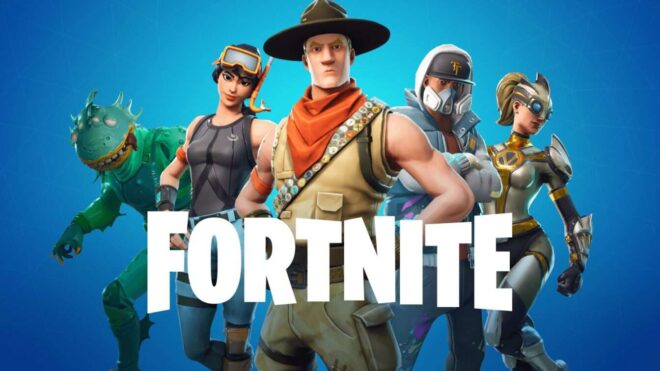
After ongoing debate among players about pricing fairness, Fortnite has now adjusted the cost of V-Bucks to better reflect their actual value. This update aims to address community concerns and offer a more transparent in-game economy.
TL;DR
Regulations Trigger Shift in Gaming Microtransactions
Major changes are on the horizon for the world of video games, as new European regulations reshape the way players interact with microtransactions. For years, these in-game purchases—often criticized but ultimately ubiquitous—have been central to titles like Fortnite, Rocket League, and Fall Guys. Now, in response to mounting regulatory pressure, industry giants are rethinking old habits.
The End of Forced Surpluses?
A key development comes from Epic Games, which has finally agreed to let players purchase exactly the amount of in-game currency—V-Bucks—required for specific items. Starting October 14, 2025, gamers can buy V-Bucks in increments of 50, matching real-world prices and putting an end to leftover virtual funds from pre-set bundles. While this policy will also extend to other major Epic titles, one caveat remains: PlayStation users must wait longer due to technical constraints on the Sony network.
Toward Fairer Digital Marketplaces
Driving this shift is the looming adoption of the Digital Fairness Act, a piece of European Union legislation that mandates studios offer precise virtual currency purchases—and prohibits what are often called “forced purchases.” Although this law will initially apply only within the EU, companies such as Epic prefer global standardization rather than maintaining separate systems by region.
Here’s what this means for everyday players:
A Trade-off Between Flexibility and Savings?
Yet while many welcome these adjustments as long-overdue improvements, some industry observers wonder about potential downsides. One unresolved question lingers: If users buy only what they require, will bulk purchase discounts vanish? Players might soon face a choice between newfound flexibility and previously available savings—a dynamic that could alter spending behavior across millions of accounts.
Ultimately, it remains to be seen how these regulatory changes will ripple through both Epic’s business model and the wider gaming ecosystem. What is clear is that European leadership is forcing a reconsideration of digital fairness in microtransactions—a move likely to echo worldwide.