No Reverse Charging Coming to iPhone 17 Pro—At Least for Now
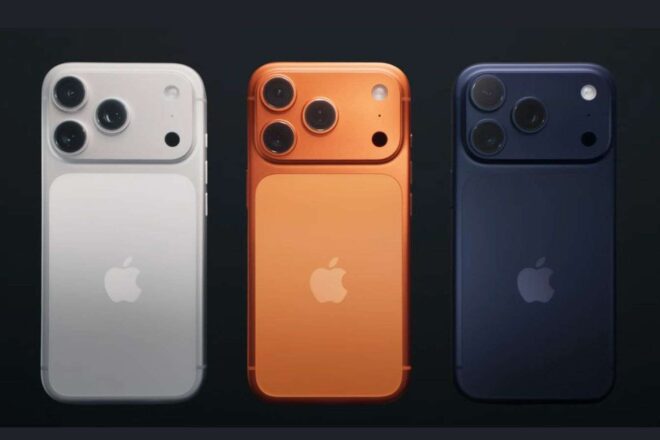
Despite ongoing speculation, the iPhone 17 Pro will not support reverse wireless charging at this time. Apple has yet to introduce this feature, leaving users unable to power other devices from their smartphone for now.
TL;DR
Apple’s Decision Disappoints Fans Awaiting Reverse Charging
Despite mounting anticipation, the release of the new iPhone 17 Pro left many enthusiasts disappointed. Once again, Apple has chosen not to integrate reverse wireless charging, a much-anticipated feature widely rumored before the launch. This omission raises questions among users who have followed leaks and speculations suggesting that this innovation was just around the corner.
The MagSafe Dilemma: Design Versus Functionality
Why does Apple remain hesitant? To understand, it helps to look at how rivals are grappling with similar challenges. Over in Android territory, when Google launched its Pixel 10, it made headlines for removing its own reverse wireless charging function—called “Battery Share.” The company pointed to adopting the new Qi2 standard, which actually borrows heavily from Apple’s own MagSafe system. This solution uses a magnetic ring behind the phone to perfectly align coils, improving charging efficiency and reducing overheating. However, as is often the case, one solution creates another problem.
The Magnet Conundrum: Technical Barriers Explained
According to industry insiders—and even statements from Google itself—the issue comes down to physical limitations introduced by these magnets. Although details remain somewhat vague officially, two major hurdles are commonly cited:
Interestingly, Samsung faced a related dilemma: its latest Galaxy S24 Ultra omitted a Qi2-style magnetic ring to avoid disturbing S Pen compatibility, underscoring just how complex these hardware trade-offs can be.
A Trade-Off Between Efficiency and Features
Could Apple’s signature magnet arrangement actually block reverse charging? Some argue yes, while others claim that both Qi and MagSafe are backward compatible—provided their coils are properly aligned. For now, it appears that Apple is opting for maximum charging efficiency through MagSafe rather than shoehorning in an additional feature at the cost of reliability or performance. As ever in Cupertino, engineering choices favor what works best today—even if it means making fans wait longer for something new.
Ultimately, whether advances in magnet design or circuit engineering might eventually pave the way for reverse wireless charging remains to be seen. For now, users looking forward to powering up their accessories directly from their iPhone will have to keep waiting—and hoping for a breakthrough in future models.