Samsung Trials Advertising Displays on Its Smart Refrigerators
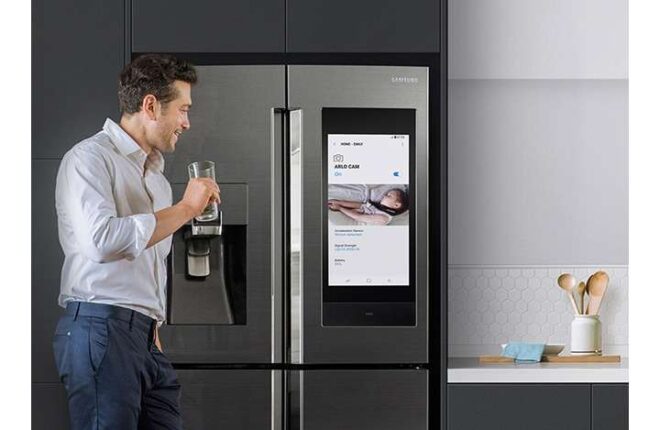
Samsung has begun experimenting with advertising displays on its smart refrigerators, signaling a new direction in connected home appliances. This initiative could reshape how consumers interact with everyday devices and how brands reach audiences in domestic settings.
TL;DR
- Samsung tests ads on Family Hub fridge touchscreens.
- No clear opt-out, limited to select recent models.
- User privacy and monetization raise ethical concerns.
Ads Appear in Your Kitchen: Samsung’s Latest Move
As kitchens get smarter, the boundary between technology and everyday life continues to blur. In a move that has sparked debate among users, some owners of Samsung’s Family Hub refrigerators have noticed promotional content surfacing on their appliance’s prominent touchscreen. While this experiment is currently limited to a handful of advertising partners, it raises a pressing question: How far can advertising infiltrate our daily routines—especially when the device itself costs thousands of euros?
How the Ads Look—and How Users React
Recently, reports on Reddit and other tech forums began to emerge: small ad tiles or panels started appearing within the main interface of these smart fridges—the same screen families typically use for calendars or photos. Unlike disruptive pop-ups, these ads remain confined to what Samsung calls the “cover screen.” Even so, for many users, their sudden arrival via a routine software update has not gone down easily.
Samsung, for its part, describes this as a “limited test” featuring potentially personalized announcements—though specifics around targeting criteria or display frequency remain vague. Notably absent is any universal switch to disable these advertisements outright.
A Few Workarounds—But No Universal Opt-Out
Users determined to minimize ad exposure can consider several imperfect solutions:
- Switch the home screen to fullscreen photo slideshows or rearrange widgets.
- Tweak marketing preferences in their Samsung account or via the SmartThings app.
- Disable Wi-Fi on the fridge—but at the cost of all cloud-based features.
At present, only recently updated or new models appear affected—a detail worth noting as artificial intelligence and connectivity become increasingly central to modern appliances’ marketing strategies.
The Unresolved Debate: Privacy in Connected Homes
For the Korean electronics giant, the goal seems straightforward: turn previously neutral digital spaces—TVs, smartphones and now fridges—into lucrative advertising platforms after the initial sale. Yet this commercial strategy brings complex ethical questions. Are consumers truly comfortable with their appliances collecting data to serve up “personalized ads”? How are those data points used in this pilot phase? Answers remain scarce.
So far, there have been no reports of video spots or full-screen banners; this remains an exploratory phase meant to gauge both advertiser interest and user tolerance. Prospective buyers would do well to review future software updates carefully—lest their next trip to the fridge come with an unexpected sales pitch. Ultimately, these developments highlight just how far our “smart” devices might go in pursuit of revenue—sometimes at odds with owners’ expectations.