Annual vs. Perennial Lawn: How to Pick the Perfect Grass for Your Garden—and Why It Matters
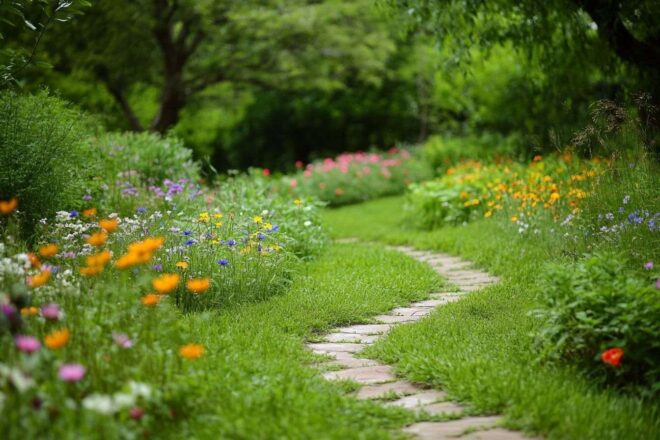
Selecting the right lawn type is crucial for a thriving garden. Understanding the differences between annual and perennial grasses helps homeowners make informed choices, balancing maintenance needs, climate suitability, and long-term results for their outdoor spaces.
TL;DR
- Annual and perennial grasses differ in life cycle and durability.
- Perennial varieties endure winter; annuals provide quick coverage.
- Choice affects garden upkeep and year-round lawn appearance.
The Distinction at the Heart of Your Lawn
It might surprise some gardeners: when discussing a lush, healthy lawn, the debate between annual and perennial grasses is just as crucial as the choice of flowers. For those aiming for an enduring green carpet, understanding how these grasses differ—fundamentally in their life cycles—is key.
Annual grasses, such as Poa annua or annual ryegrass (Lolium multiflorum), complete their entire journey from germination to reproduction within a single season. Once winter’s chill sets in, they fade away entirely. In contrast, perennial species—think English ryegrass (Lolium perenne) or tall fescue (Lolium arundinaceum)—quietly slip into dormancy during colder months and reawaken each spring.
Surviving Winter: A Test of Resilience
The landscape tells the story by late autumn. Where annual grasses yellow and wither at the first frost, perennials merely pause their growth. Their leaves may lose vibrancy through winter, but with basic care—a light mowing before frost, prompt removal of fallen debris—they regain vigor as temperatures climb. This resilience explains why so many garden experts advocate perennial varieties for regions with harsh winters.
Adapting to Gardener’s Needs
But is there a right answer for everyone? The choice depends heavily on your expectations and the maintenance rhythm you’re willing to embrace. Some homeowners opt for annual grasses to patch up bare patches rapidly—a practical fix that delivers instant satisfaction but requires reseeding each year. Others value long-term density and reliability, making perennials their grass of choice.
To keep your lawn both healthy and visually appealing throughout the seasons, consider these essential care tips:
– Weed regularly, particularly before spring arrives.
– Clear away leaves and debris during cold spells.
Selecting What Fits Your Climate—and Patience
Selecting between annuals and perennials isn’t simply about preference; it’s a matter of adapting to local climate conditions and personal maintenance habits. Those weary of yearly reseeding will find perennial solutions—like English ryegrass or tall fescue—a wise investment, especially where winters bite hard. Yet sometimes, blending in a handful of annual seeds can deliver that quick burst of green just when it’s most needed.
Ultimately, success lies not only in choosing the right variety but also in observing how your lawn ecosystem responds season after season—a process that invites both science and intuition into your gardening routine.