Delphi-2M: How Artificial Intelligence Is Shaping the Future of Medical Prevention
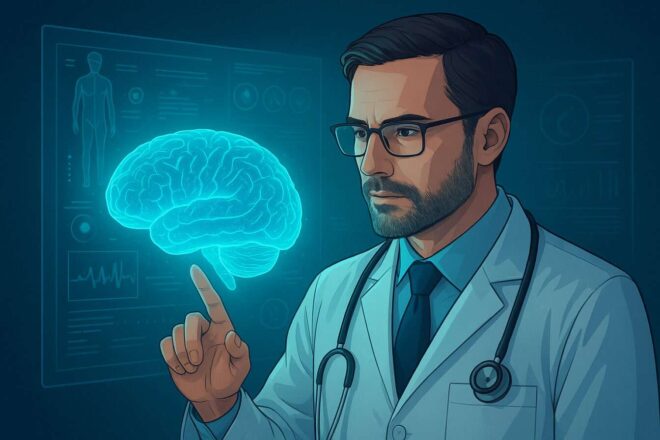
Delphi-2M is emerging as a promising tool in healthcare, leveraging artificial intelligence to enhance medical prevention strategies. Its innovative approach aims to identify risks earlier and support clinical decision-making for improved patient outcomes.
TL;DR
A Leap Forward for Predictive Medicine
A new chapter is unfolding in the world of predictive medicine, where technology promises to anticipate future health challenges before symptoms even arise. This week, an international team unveiled Delphi-2M, a cutting-edge artificial intelligence system designed to estimate not only the likelihood but also the potential timing of over a thousand distinct diseases for any given patient. Drawing from anonymized medical records of nearly 2.3 million individuals sourced from the UK and Denmark, this breakthrough hints at a future where our personal medical risks are mapped with unprecedented detail.
How Delphi-2M Sees the Future
What makes Delphi-2M so strikingly original isn’t just its scale, but its approach. Inspired by large language models like ChatGPT, this AI doesn’t process traditional text—it deciphers patients’ complete medical histories. Every diagnosis, lifestyle factor, or demographic detail becomes a “token,” allowing the AI to simulate decades-long health trajectories. Rather than focusing on just a handful of well-known conditions such as diabetes or cardiovascular disease—where conventional risk calculators often stop—this model anticipates complications ranging from sleep disorders to rare illnesses.
To generate these forecasts, Delphi-2M relies on some fundamental but powerful variables:
Medical background spanning over a thousand disorders;
Key lifestyle markers including BMI, tobacco use, alcohol consumption.
With this data in hand, Delphi-2M predicts not only which disease might emerge next but also estimates when it could strike. Tests conducted on the UK dataset yielded an average accuracy score (AUC) of 0.76—a robust outcome considering the intricacies of human biology.
Caveats: Data Bias and Clinical Judgment
However, there are significant caveats. The model’s performance was notably weaker with Danish data sets, underscoring its current limitations in universal applicability. More troubling is the inherent bias within the training datasets—particularly from the UK Biobank, where healthier and wealthier participants are overrepresented. Such biases risk skewing predictions for less-represented groups.
Researchers are clear: while this kind of medical AI can highlight general trends or risk factors for clinicians to consider in prevention efforts, it cannot replace professional judgment or offer immediate diagnostic certainty.
Towards More Personalized Healthcare?
Despite these hurdles, anticipation is growing within the field about how digital prediction tools like Delphi-2M could enhance—not replace—established clinical practices. If properly managed and ethically implemented, it’s possible that one day doctors will consult AI-generated health maps charting decades into their patients’ futures. Yet success hinges on ongoing vigilance: addressing algorithmic bias and safeguarding ethical standards must remain paramount as predictive medicine embraces this technological leap forward.