Emmanuel Macron to Announce Palestine Recognition Monday: What Does Acknowledging Statehood Entail?
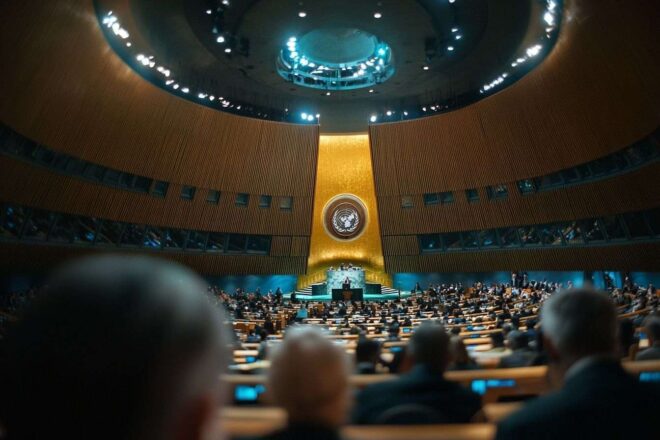
On Monday, Emmanuel Macron is set to formalize France's recognition of Palestine. This move brings renewed focus on the diplomatic and political implications of granting statehood status and what such acknowledgment entails for international relations.
TL;DR
- France to officially recognize the State of Palestine.
- Recognition carries more symbolic than immediate legal weight.
- International impact remains significant yet uncertain.
A Pivotal Diplomatic Move by France
On September 22, 2025, Emmanuel Macron is expected to take a step that could redefine France’s role in Middle Eastern diplomacy: the official recognition of the State of Palestine. This announcement, widely anticipated both at home and abroad, underscores a deliberate shift in French foreign policy—one that has been the subject of debate across the international stage for decades. The decision, though heavily symbolic, arrives with a host of unanswered questions about its practical effects.
The Legal Labyrinth Behind Recognition
Despite the headlines, the legal framework surrounding state recognition is anything but clear-cut. As Romain Le Boeuf, professor at the University of Aix-Marseille, points out, such gestures sit “somewhere between politics and law.” There is no global authority or standardized procedure for acknowledging a new state; each nation determines independently how—and when—it extends this status. Some do so through explicit statements, while others rely on subtler acts. The essentials for statehood—defined borders, a stable population, and an independent government—are widely accepted criteria. However, even within these boundaries, interpretation varies: according to records compiled by the Palestinian Authority, recognition lists remain inconsistent and are shaped by each country’s own definitions.
Symbolism’s Reach: Shifting International Balances
The potential ramifications extend well beyond legal technicalities. As Franco-British lawyer Philippe Sands told The New York Times last August, “In terms of symbolism, this does somewhat change the equation.” When a major player like France offers recognition to Palestine, it nudges diplomatic perceptions toward parity with Israel—at least in formal international law.
Nearly three-quarters of states worldwide now assert that Palestine meets their criteria for statehood. Among the central points often cited by diplomats:
- The move is primarily political and symbolic in nature.
- No immediate legal consequences are guaranteed.
- Official treatment on the world stage may gradually evolve.
Lingering Questions and Diplomatic Realities
While this bold declaration from the French president has captured global attention, it does little to dispel the persistent ambiguities surrounding such recognitions. Each pronouncement on paper seems to open as many uncertainties as it resolves on the ground. In essence, it remains to be seen whether the weight of symbolism can truly tip real-world balances—or if complexity will continue to eclipse hope in this ongoing chapter of international relations.